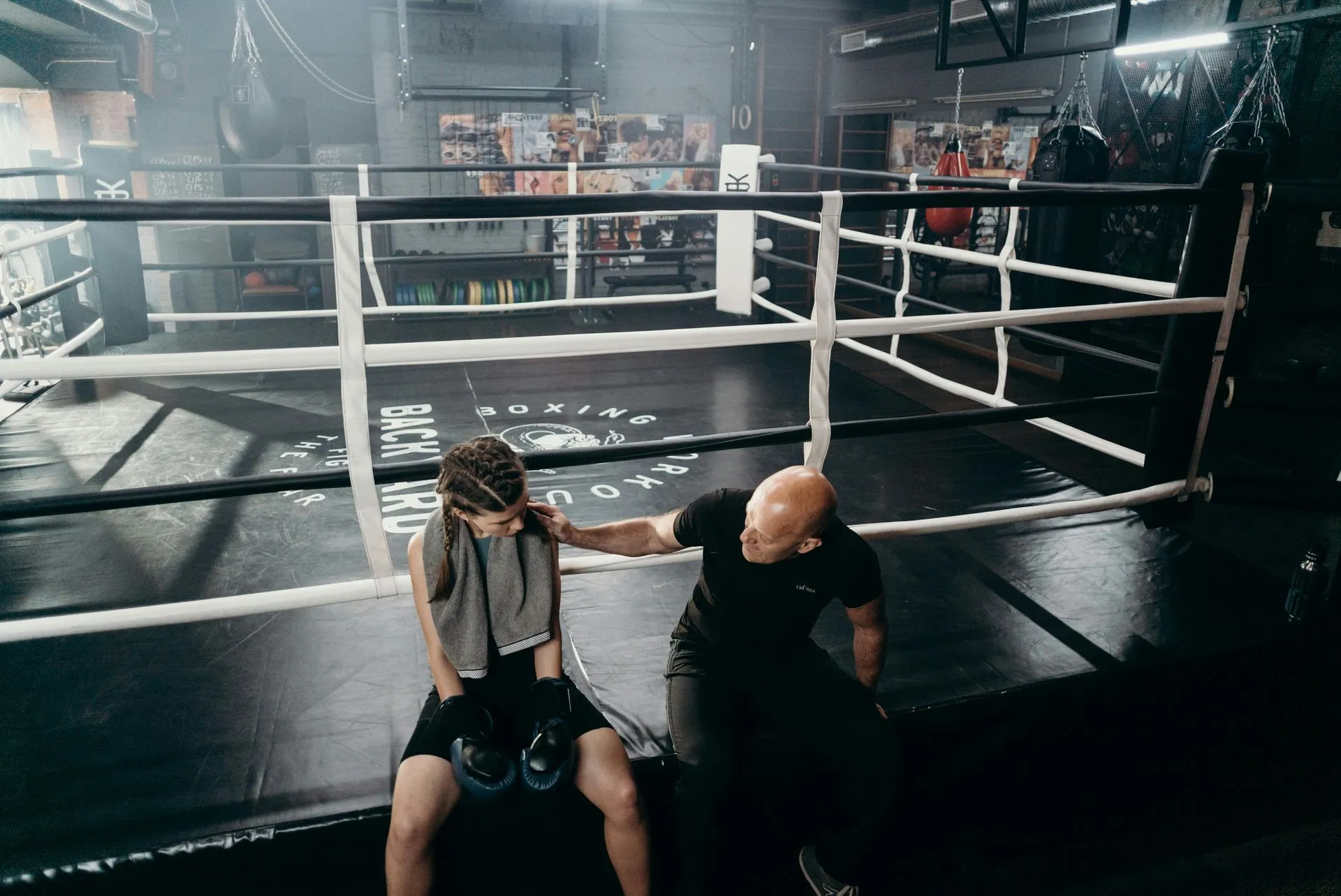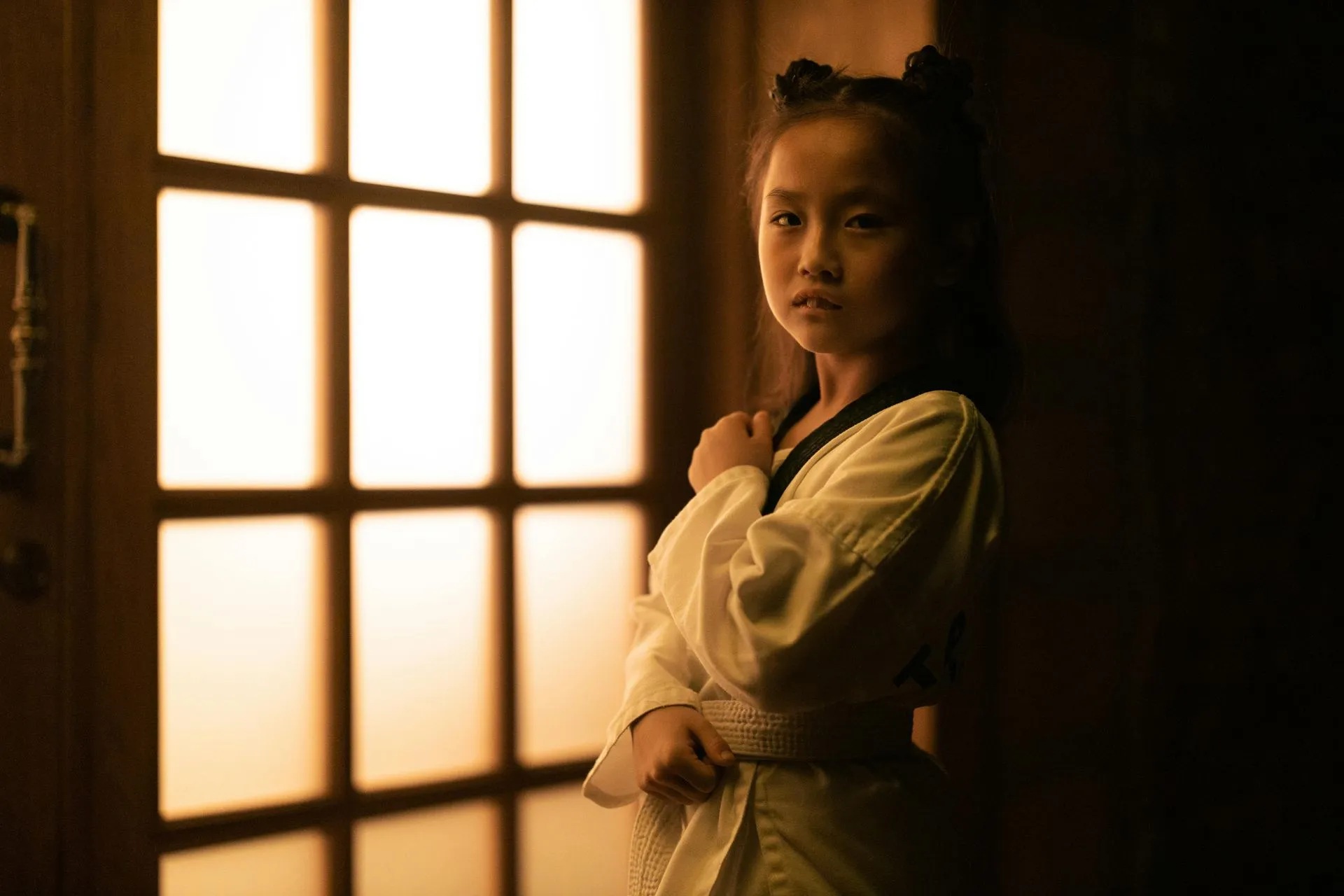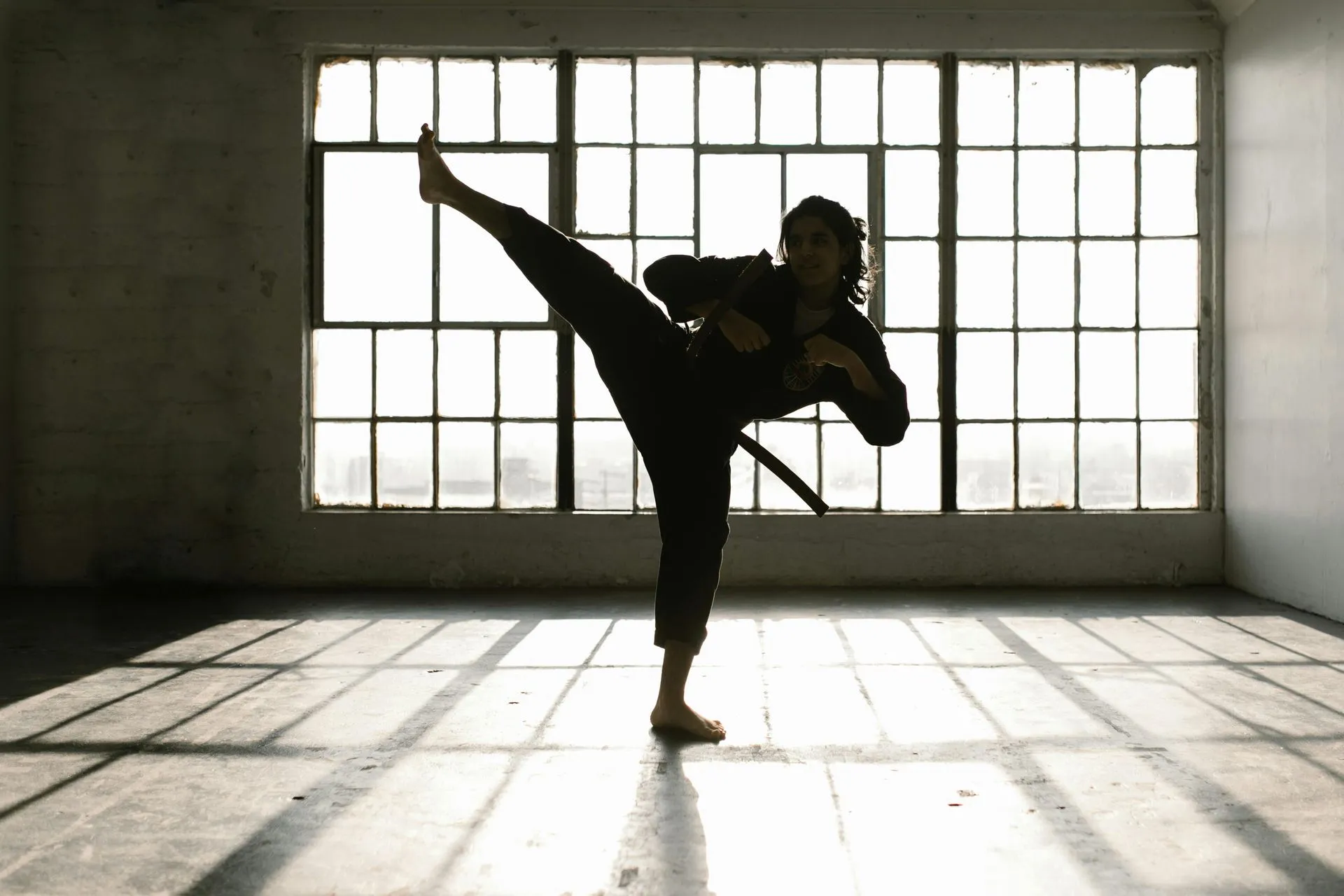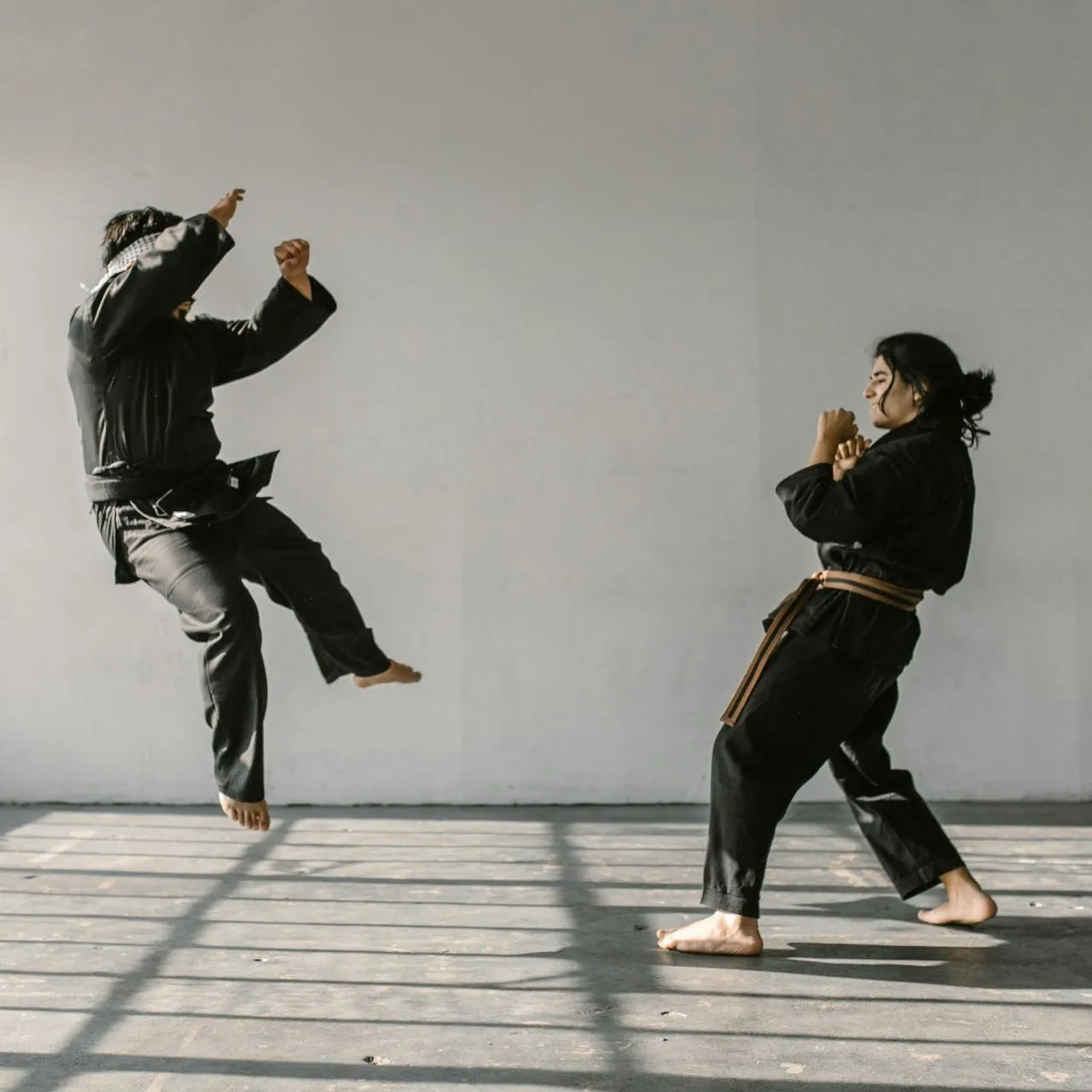

To choose character development classes for kids in Brentwood, judge four things: how instructors teach values during the activity, whether progress gets tracked, how the schedule fits your week, and how students treat each other when nobody is correcting them. Everything else is marketing.
Most programs in the area say they build confidence and respect. That claim is easy to make and hard to verify from a website. So this guide gives you the specific things to watch for on a tour, the questions to ask, and the signals that tell you a program is actually working for your child.
What Real Character Work Looks Like
Real character work happens inside the activity, not in a separate talk afterward. If values only come up during a five-minute speech at the end of class, your child is getting a workout with a lecture attached.
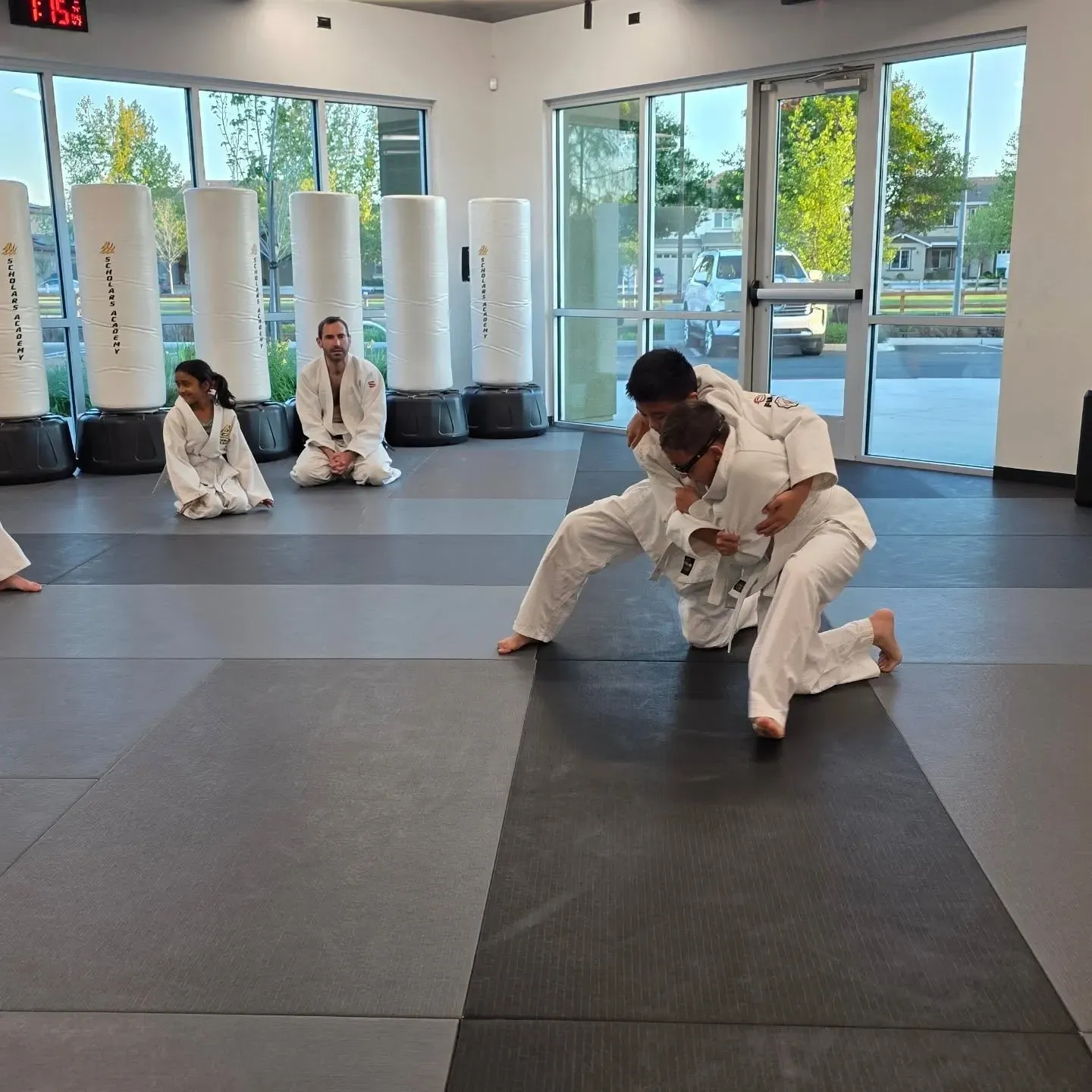
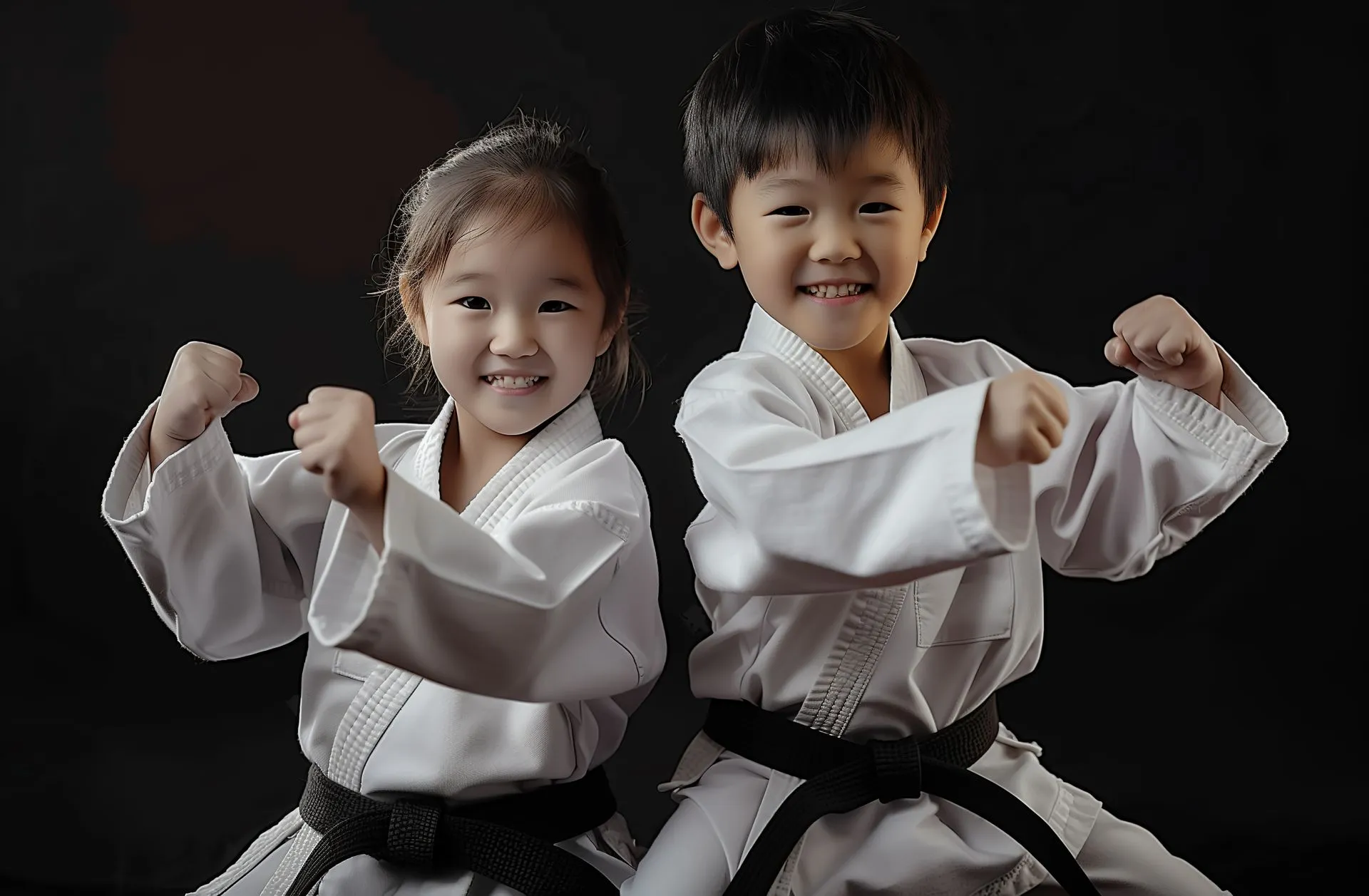
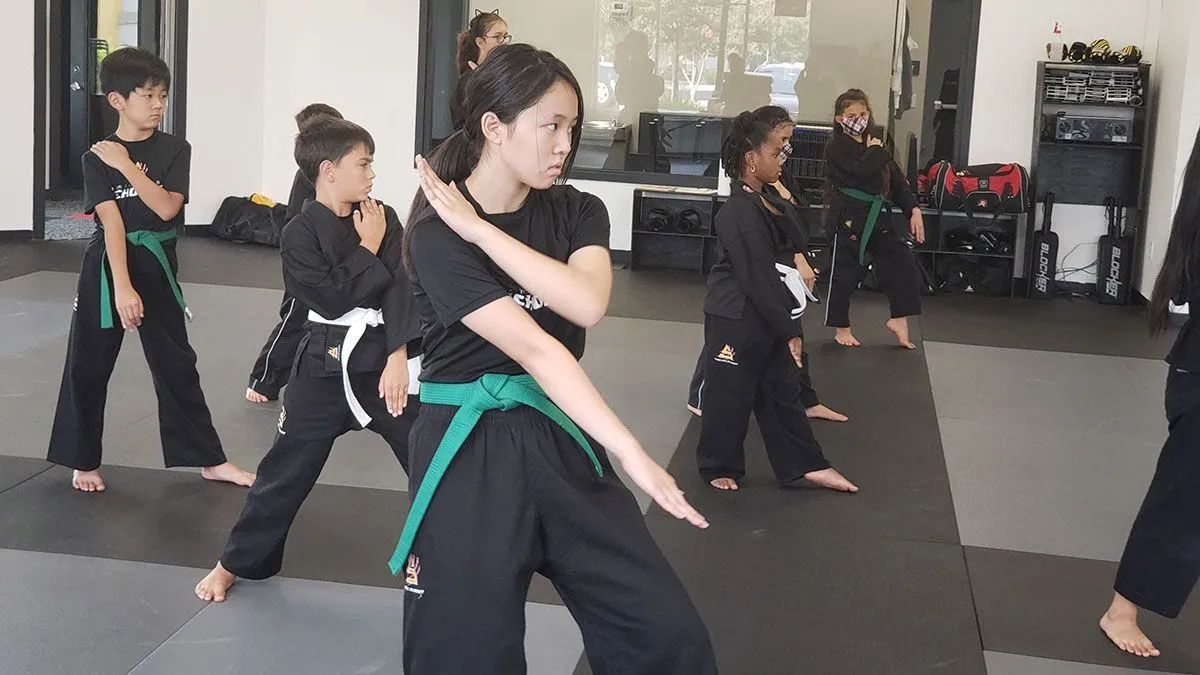
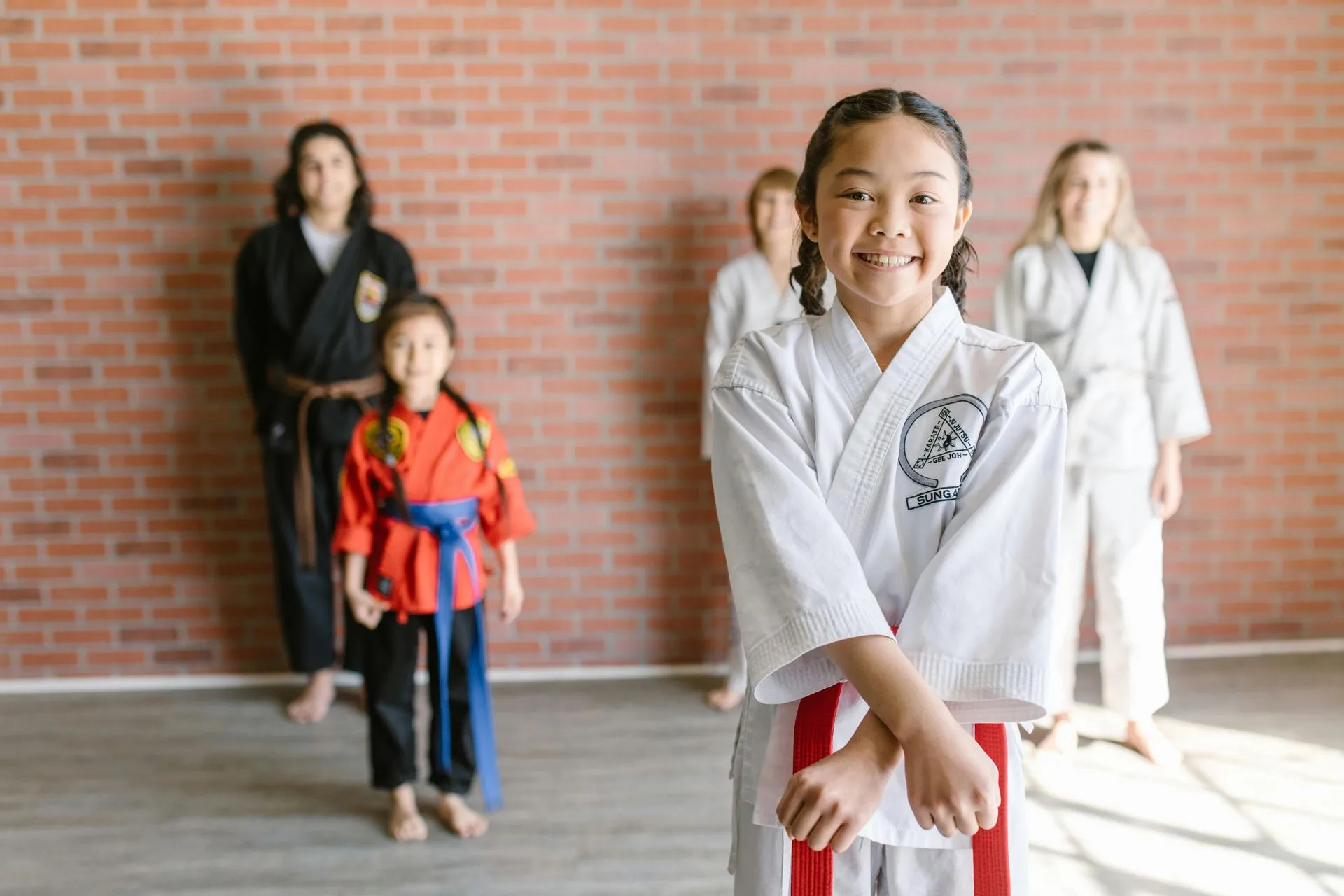
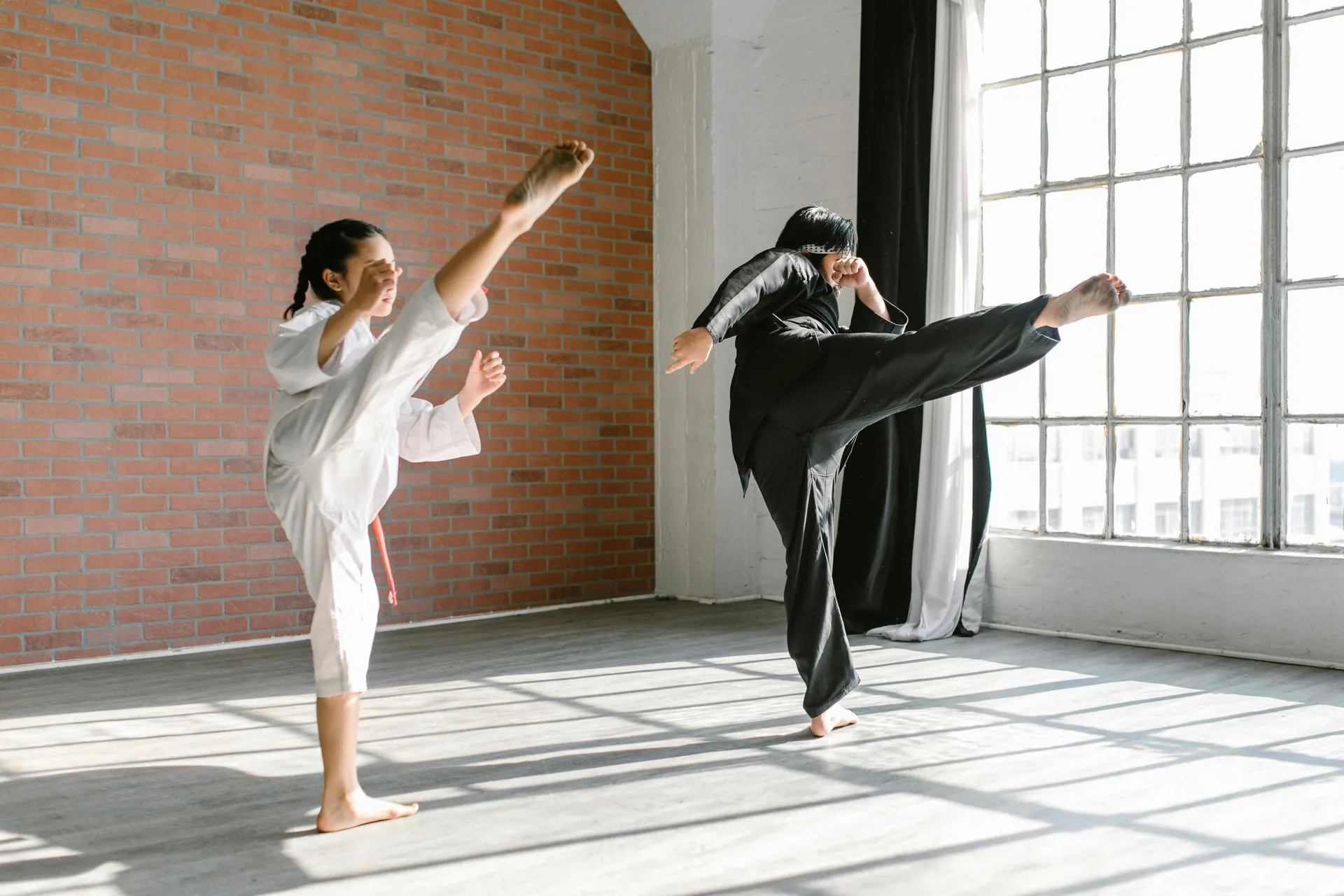
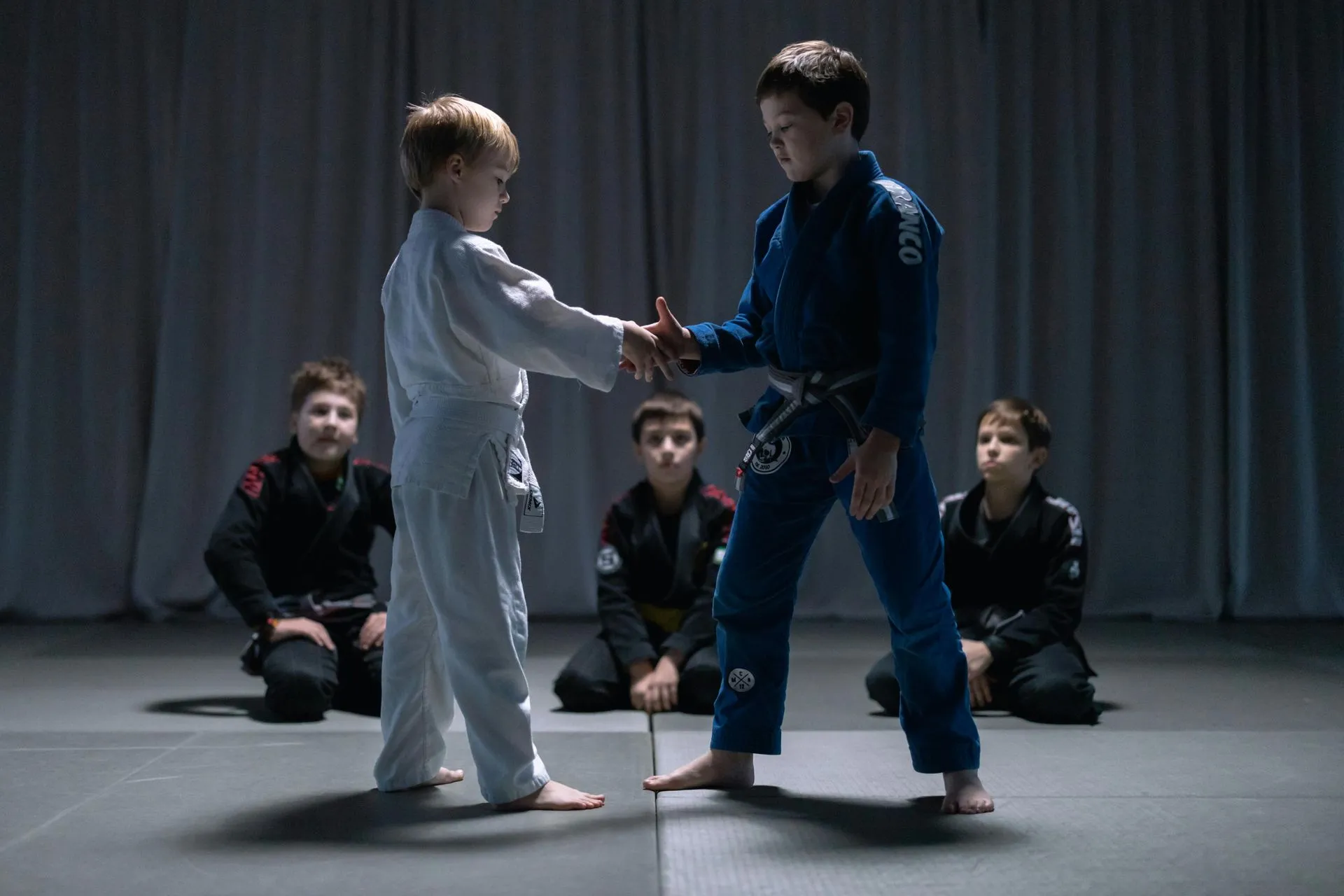
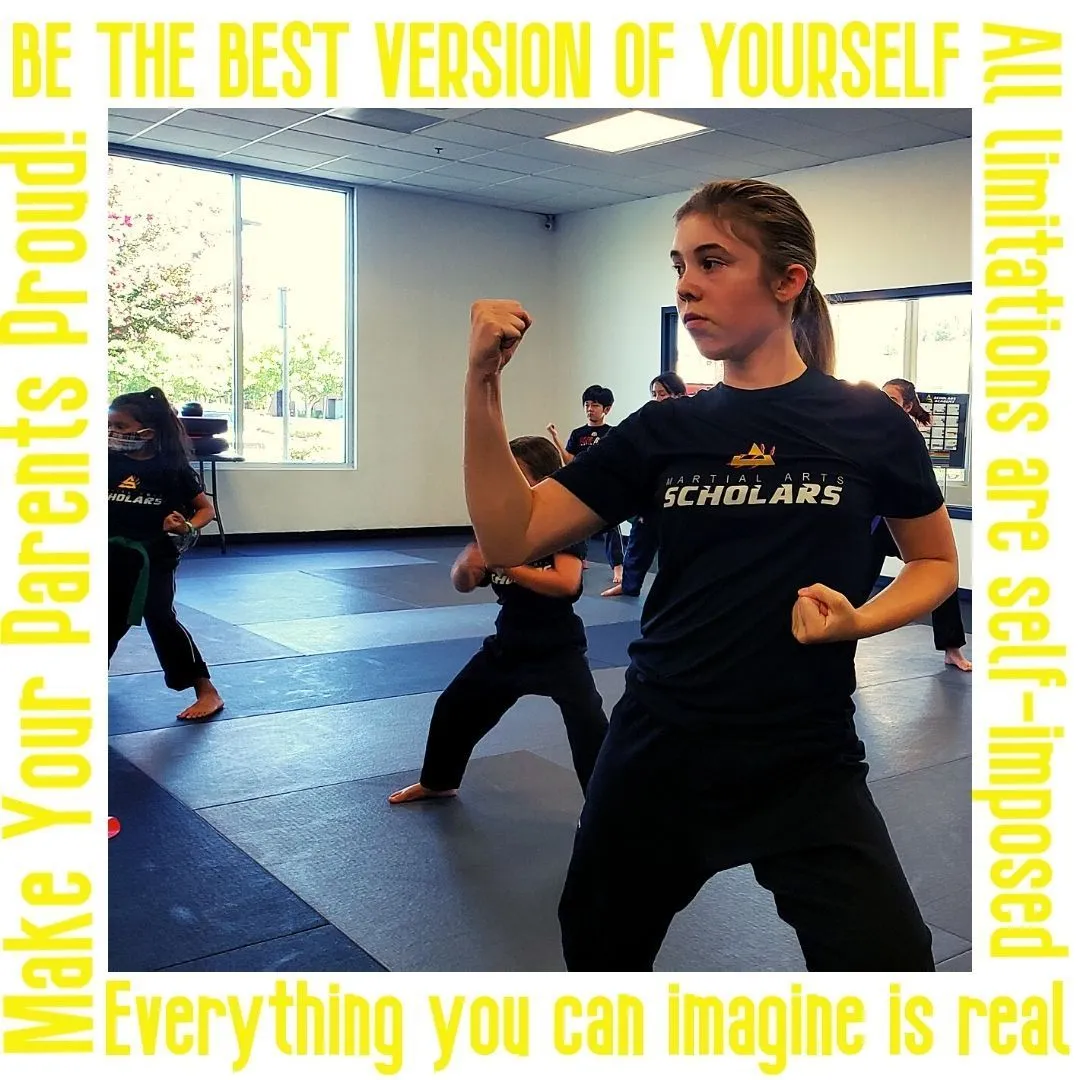
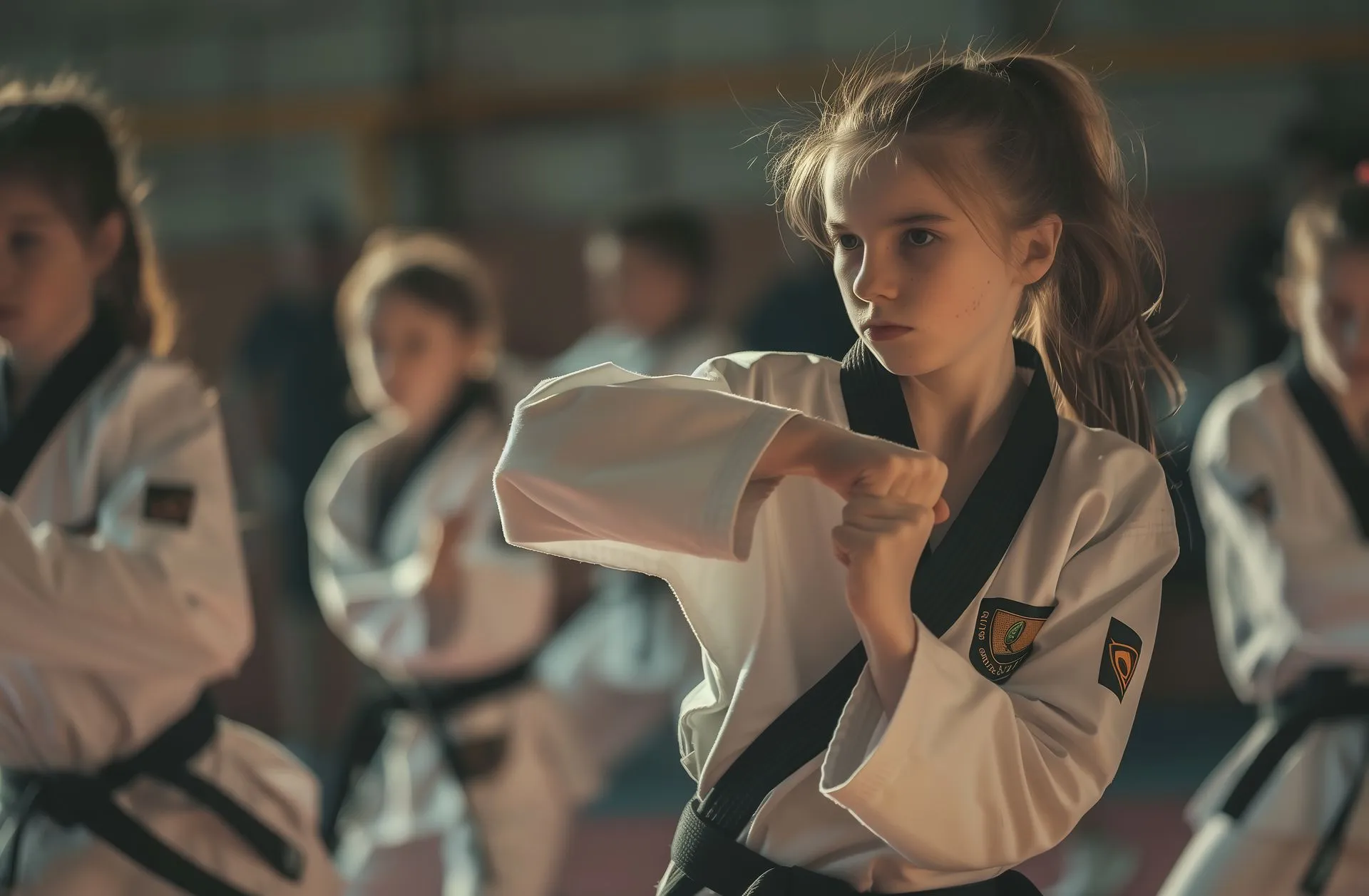
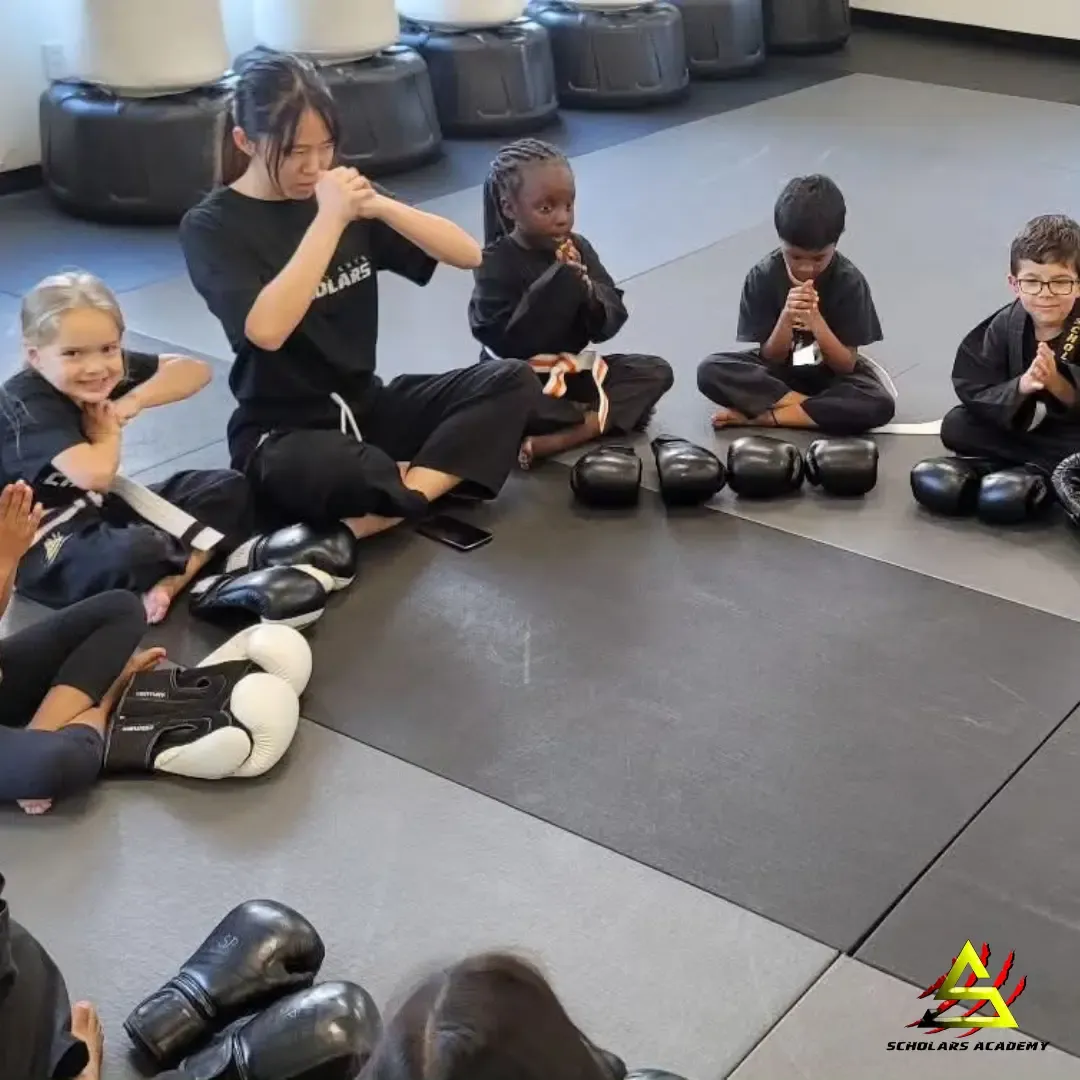
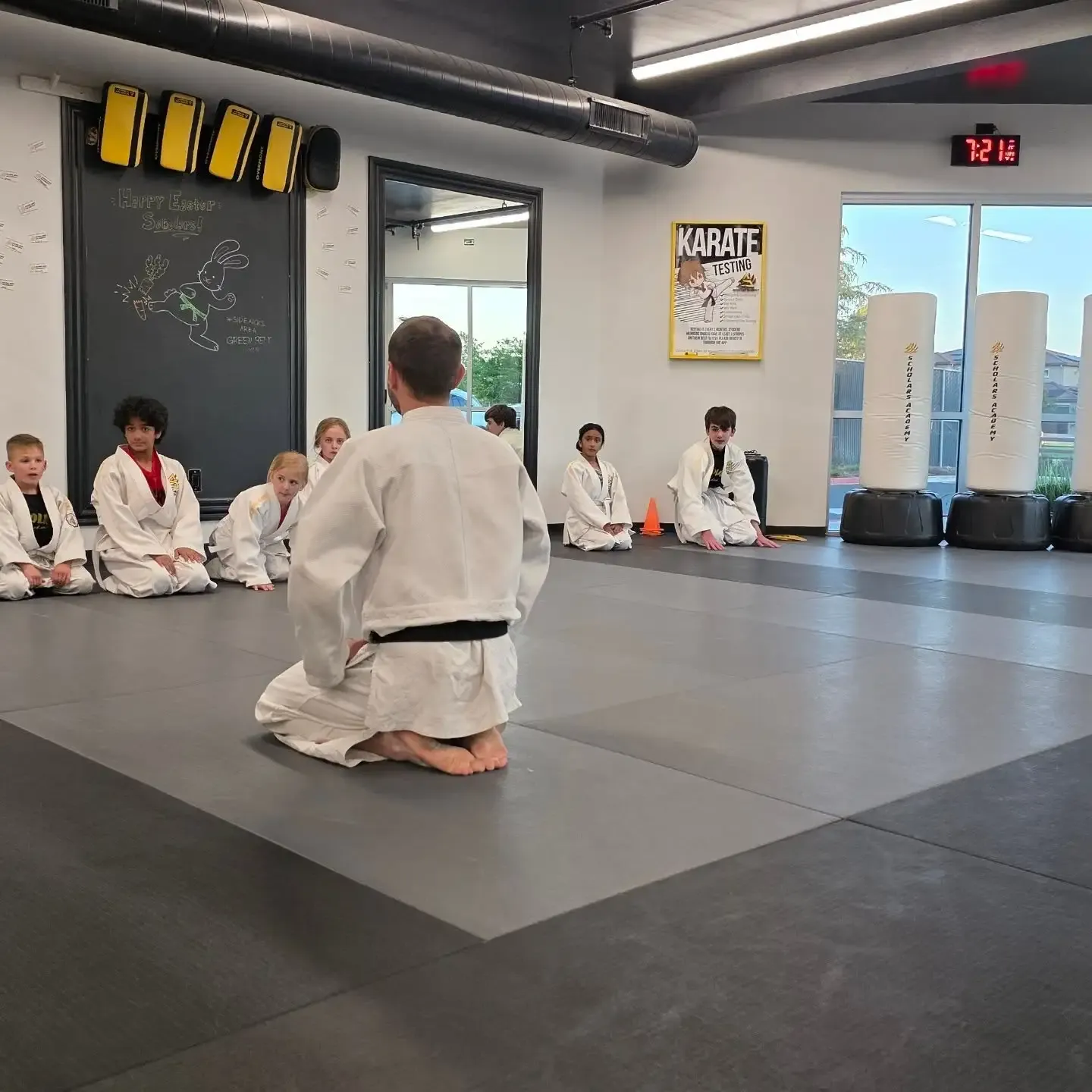
Here is the difference in practice. A weak program tells kids to be respectful. A strong one builds respect into the drill itself, so a student has to bow in, wait their turn, and control their power with a partner before the technique counts. The value and the skill arrive together, which is why kids remember them.
If you want the background on which traits these programs target and why martial arts suits the job, our page on life skills development walks through the curriculum. We also covered the benefits of character development classes in an earlier post. This article assumes you are past that stage and ready to compare.
A Four-Point Checklist for Comparing Programs
Use these four checks on every program you visit. They separate structured instruction from supervised play.
- Instructors explain the reason, not just the move. Listen for a coach saying why a stance matters, not only how to hold it. Kids who understand the reason apply it outside class.
- Progress is visible and tied to behavior. Belts, stripes, or skill badges should reward effort and conduct, not just attendance. Ask whether behavior factors into advancement.
- Class size allows real feedback. If one instructor is managing thirty kids alone, individual correction is not happening. Look for a second coach or smaller groups.
- The schedule survives a normal week. A class that conflicts with homework, dinner, or a sibling's practice will not last past December.
A program that clears all four is teaching habits. A program that clears one or two is teaching a sport.
Questions to Ask on Your Tour or Trial Class
Ask these during the visit, while you can still watch the room. The answers tell you more than any brochure.
| Question | Why It Matters | What a Strong Answer Sounds Like |
|---|---|---|
| How do you handle a child who is struggling or frustrated? | Reveals whether coaches teach regulation or just enforce discipline. | A specific routine, like a reset breath and a scaled-down drill. |
| What does a child need to do to advance? | Shows whether progress is earned or automatic. | Named skills plus behavior standards, not just time served. |
| How do you address bullying situations? | Tells you if de-escalation is actually taught. | Verbal boundary-setting first, physical response as a last resort. |
| What happens if we miss two weeks? | Exposes how rigid the program is for real families. | Makeup classes or a clear catch-up plan. |
If a question gets a vague answer, that is useful information too.
Signs the Program Is Working for Your Child
You should see changes at home within about eight to twelve weeks, and they usually show up in small ways first. Watch for these four:
- Your child recovers faster after getting something wrong, instead of shutting down
- Homework starts with less negotiation
- They mention a class value without being prompted
- They want to show you a technique they struggled with last month
Notice that none of these are about kicking harder. Physical skill comes either way. Carryover into the rest of your child's life is the thing you are actually paying for.
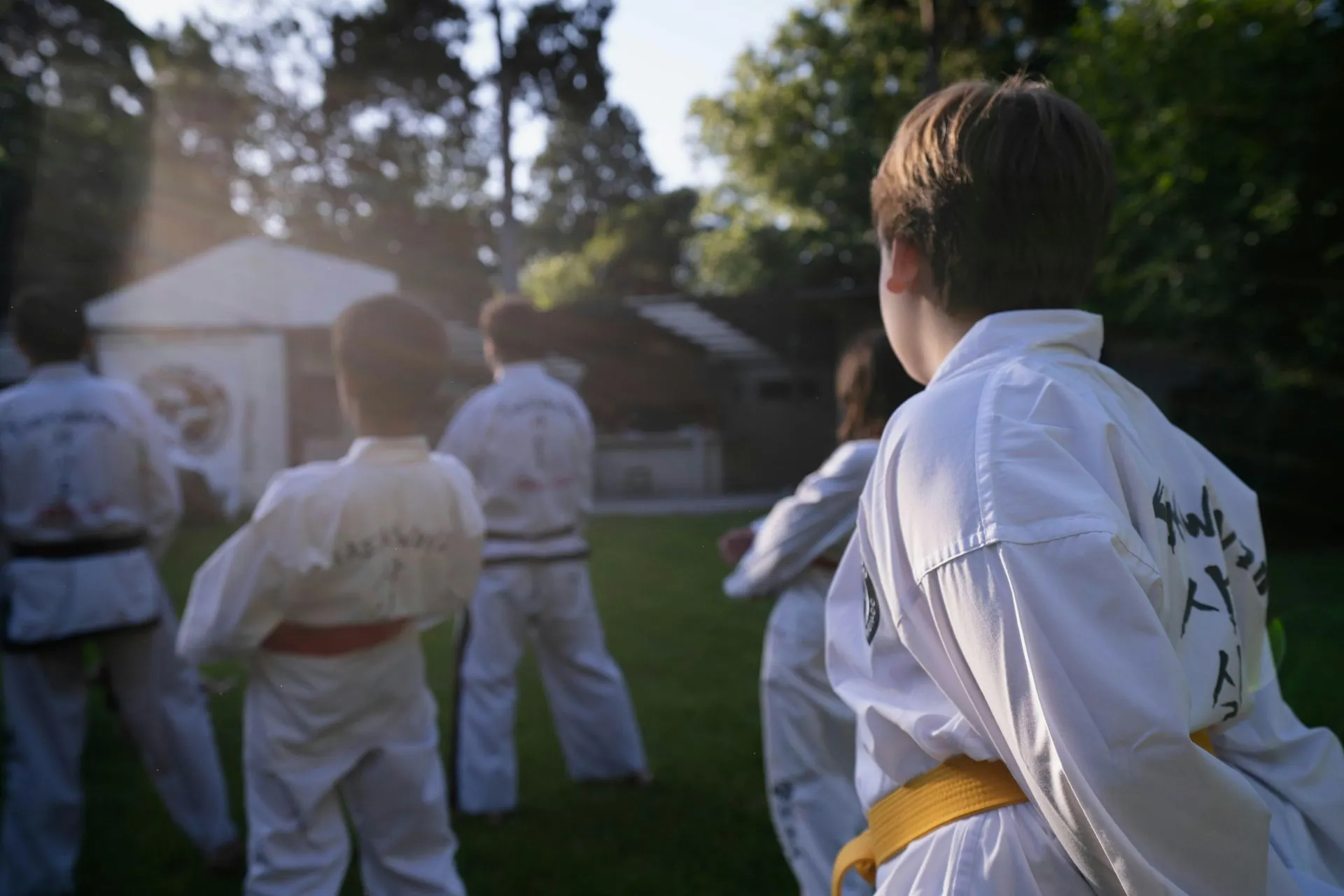
Progress markers help here too, because a child who can name their next goal tends to stay motivated. Our post on how the karate belt system works explains how that ladder is structured.
Fitting Classes Into an Already Full School Week
The best program is the one your family can actually attend, so map the logistics before you commit. Count the drive, the parking, and the changing time, not just the class hour.
There is a health argument for protecting that time, too. According to the Physical Activity Alliance's U.S. Report Card on Physical Activity for Children and Youth, only about 20% to 28% of kids aged 6 to 17 get the recommended 60 minutes of daily movement. A structured weekday class closes part of that gap on its own.
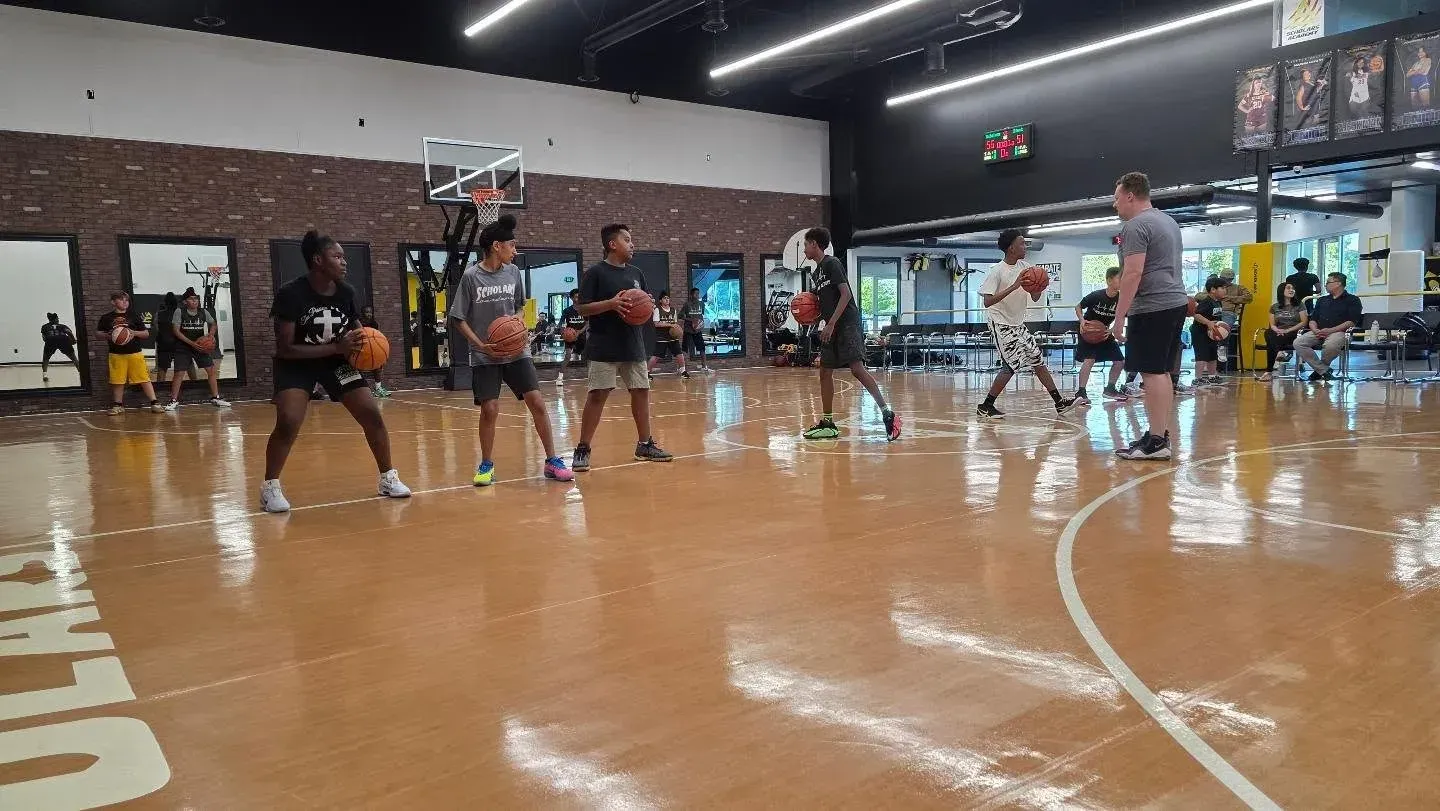
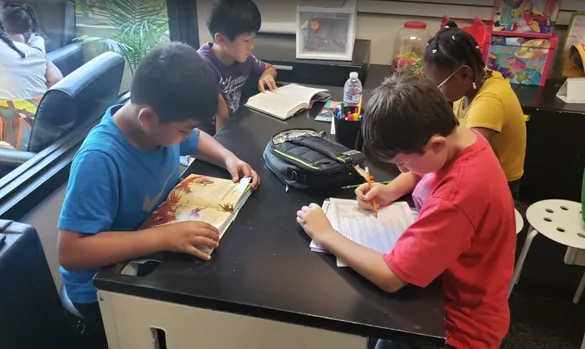
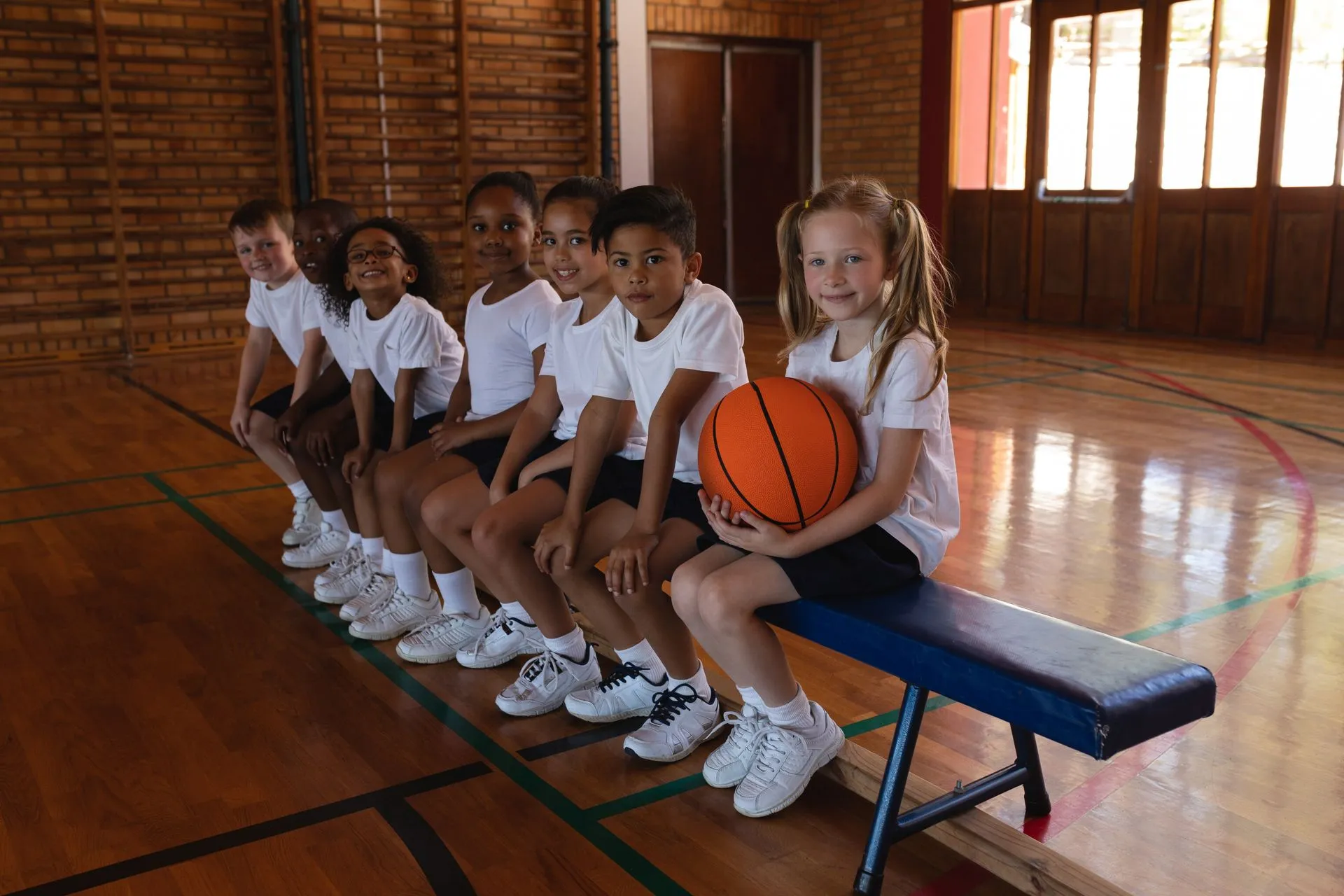
If pickup is the real problem, look at programs that fold classes into after-school care. Our extended day program keeps kids in one place from the final bell until you arrive, with homework time built in. Families who want more variety often pair character work with basketball classes, which adds court skills and teamwork without adding a second drive across town.
Why November Is a Smart Starting Point
November is easier than September because the school routine is already set, so a new class slots into a known schedule instead of competing with one. You also know by now where your child is struggling, which makes it simpler to pick the right program.
Daylight is shorter too, and outdoor play drops off accordingly. Filling that gap with a structured indoor class beats filling it with a screen. Starting before the holiday rush also means the habit is established when December gets chaotic, rather than being the thing that never quite got started.
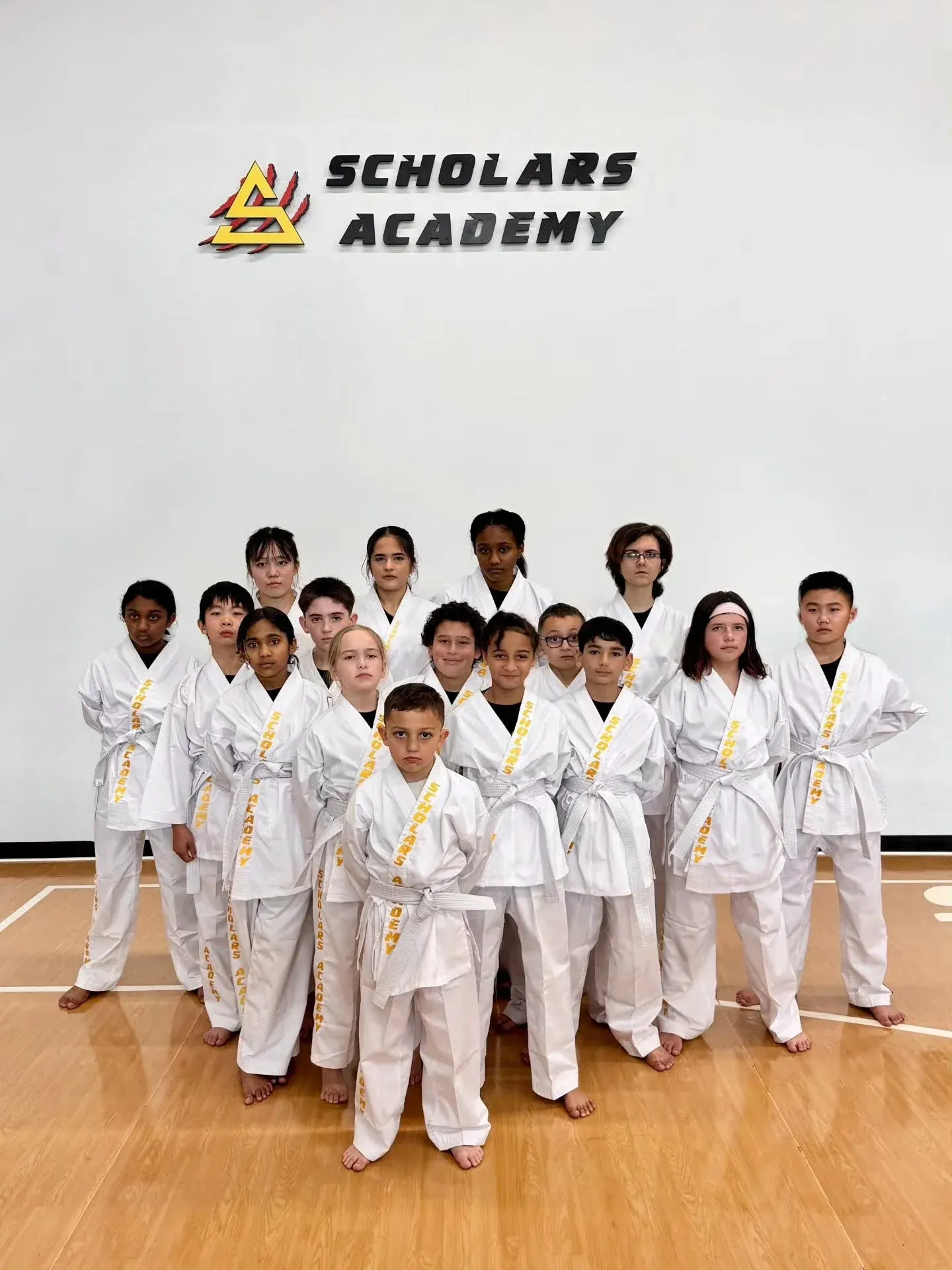
We serve families across Brentwood, Discovery Bay, Oakley, and Antioch, and our karate classes run on a consistent weekly schedule you can plan around.
FAQs About Character Development Classes
What age should my child start?
Most kids are ready around early elementary age. Readiness depends more on attention span than birthdate, so instructors adjust pacing by maturity rather than a strict cutoff.
Can we try a class before committing?
Yes. Attend a trial session first, then register if it fits. Enrollment itself takes about five to ten minutes with a staff member.
Does my child need to be athletic?
No. These classes are built for beginners, and instructors measure each student against their own starting point rather than the rest of the group.
How is this different from a regular sports team?
Teams build skill through competition. Character programs build skill through individual progression, so a quiet or less competitive child still has a clear path forward.
What does it cost?
Pricing depends on the class schedule and membership level you choose. Call us and we will match the options to your budget and your week.
Compare Us in Person Before You Decide
Bring this checklist with you and see how we hold up. Watch a class, ask the hard questions, and let your child try a session before you sign anything.
Call Scholars Academy at (925) 809-0085, or request more information and we will help you find the right fit. We are at 2010 Elkins Way, Suite 100, Brentwood, CA 94513.
Share Article
Our Recent Articles