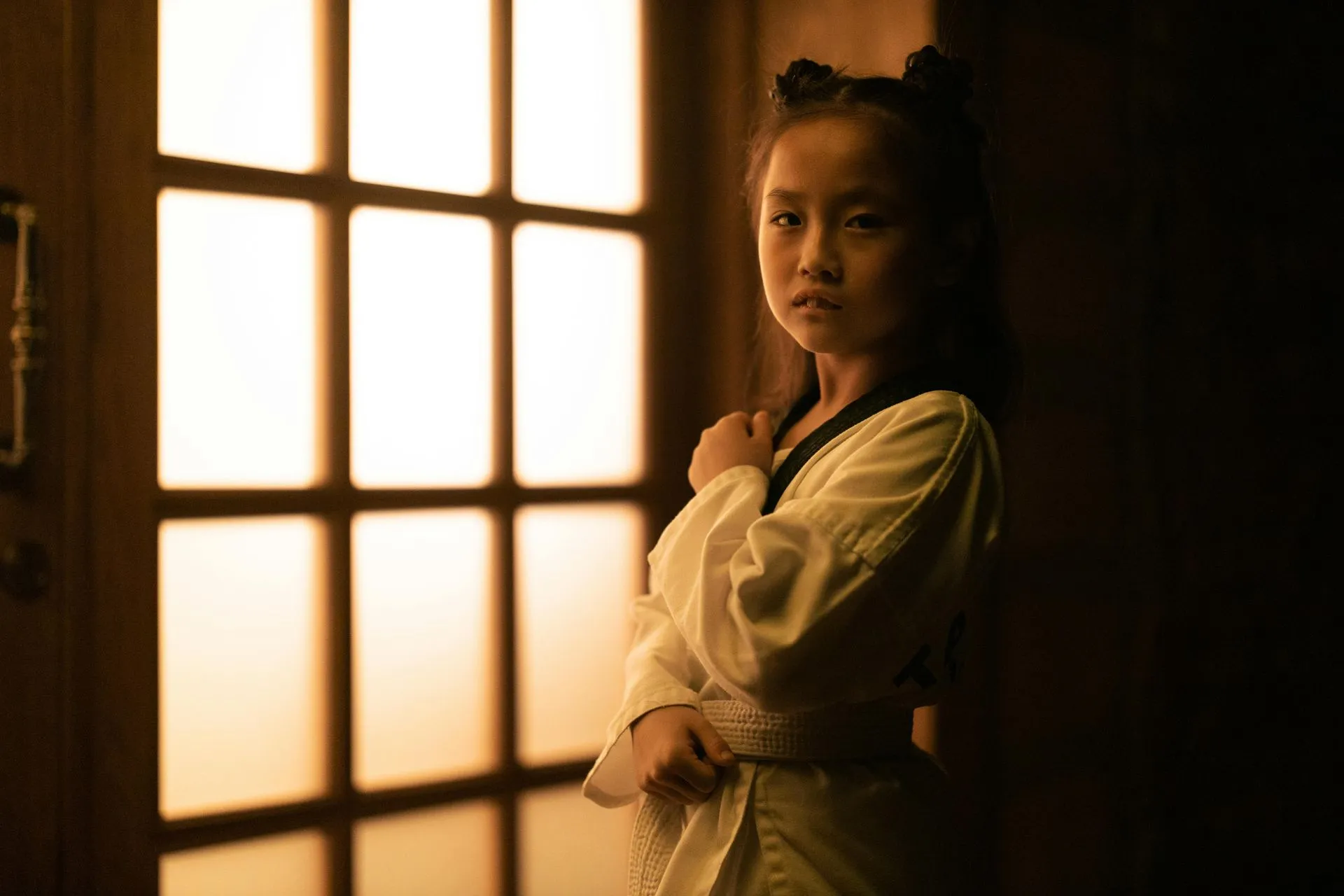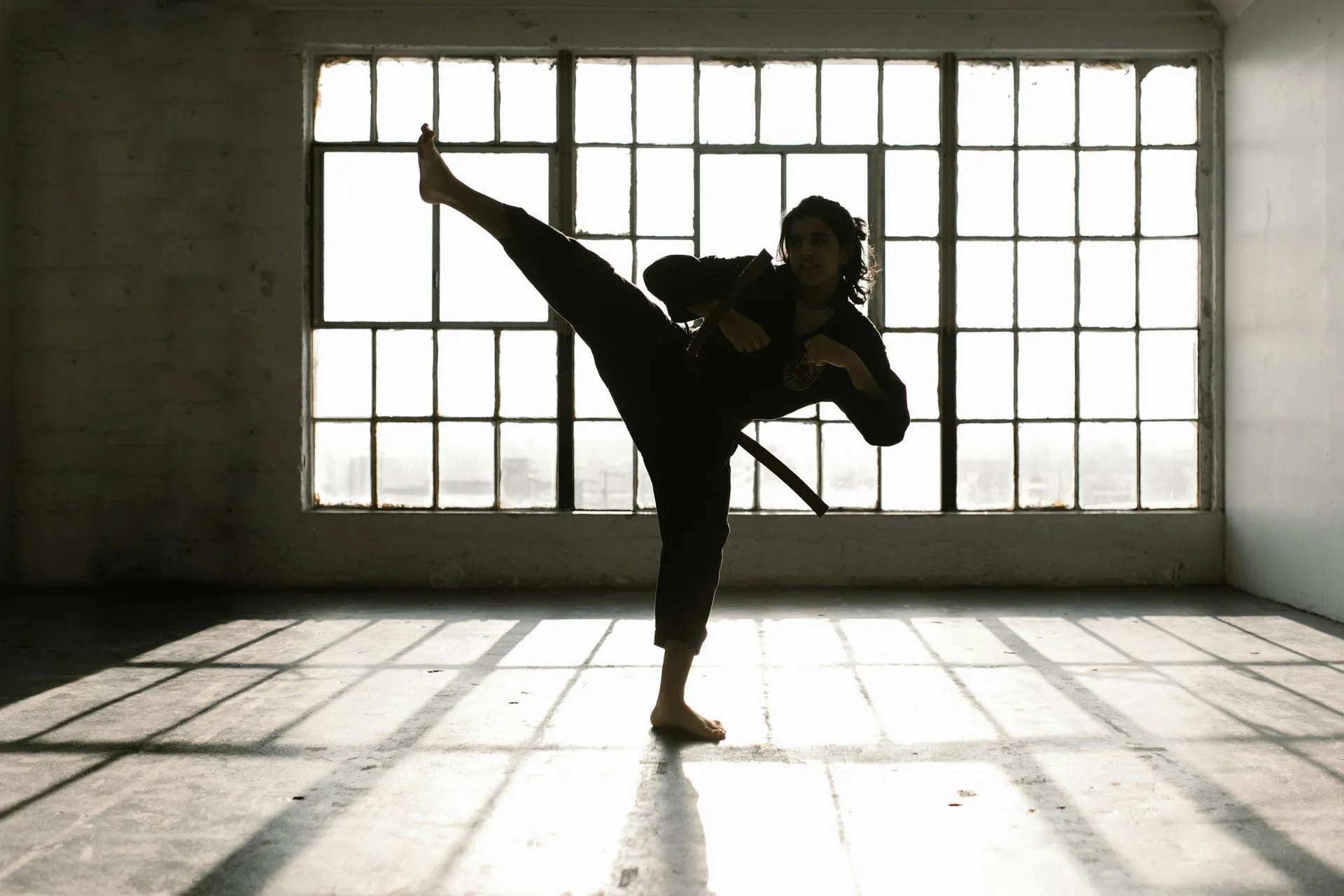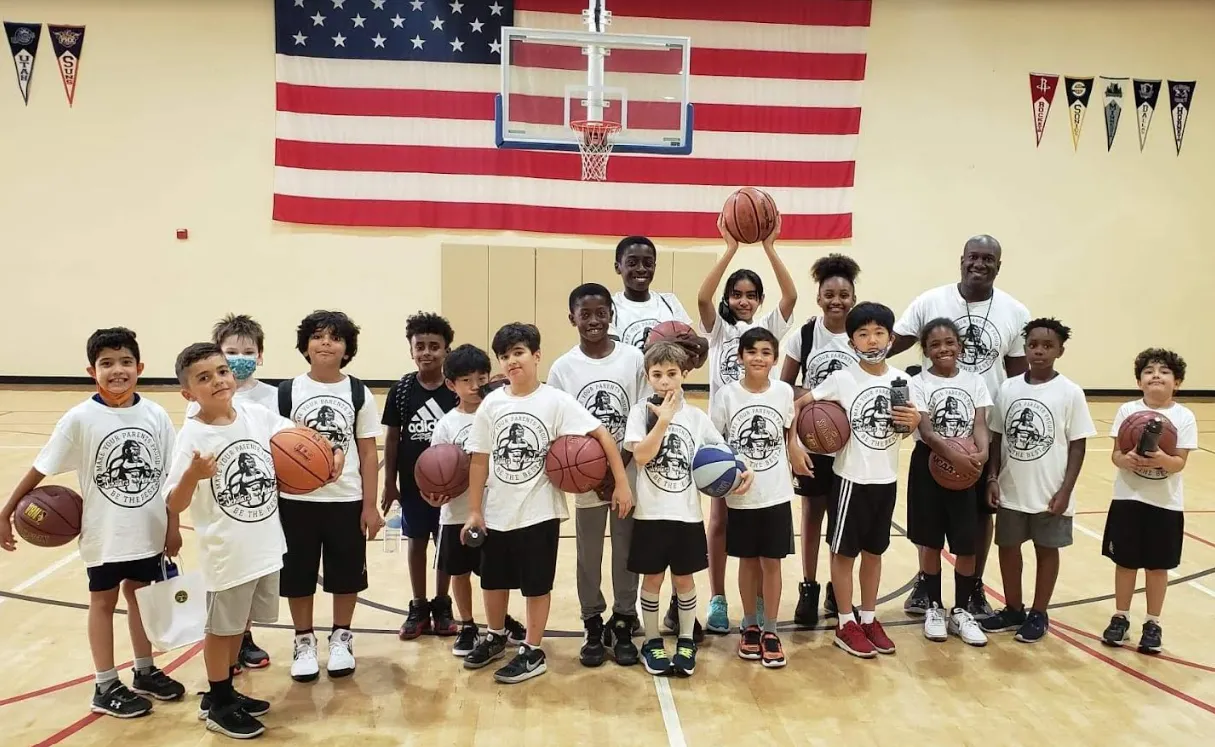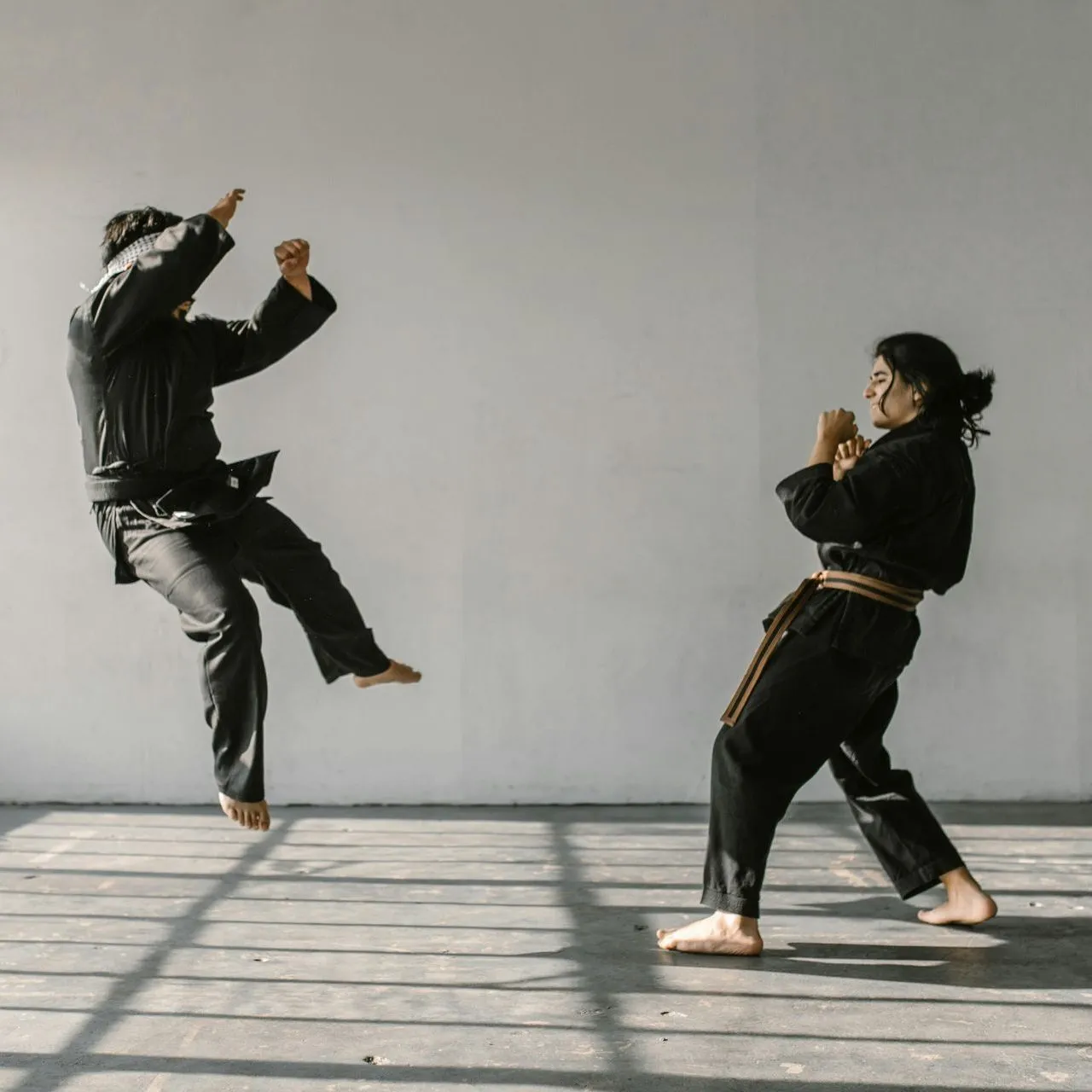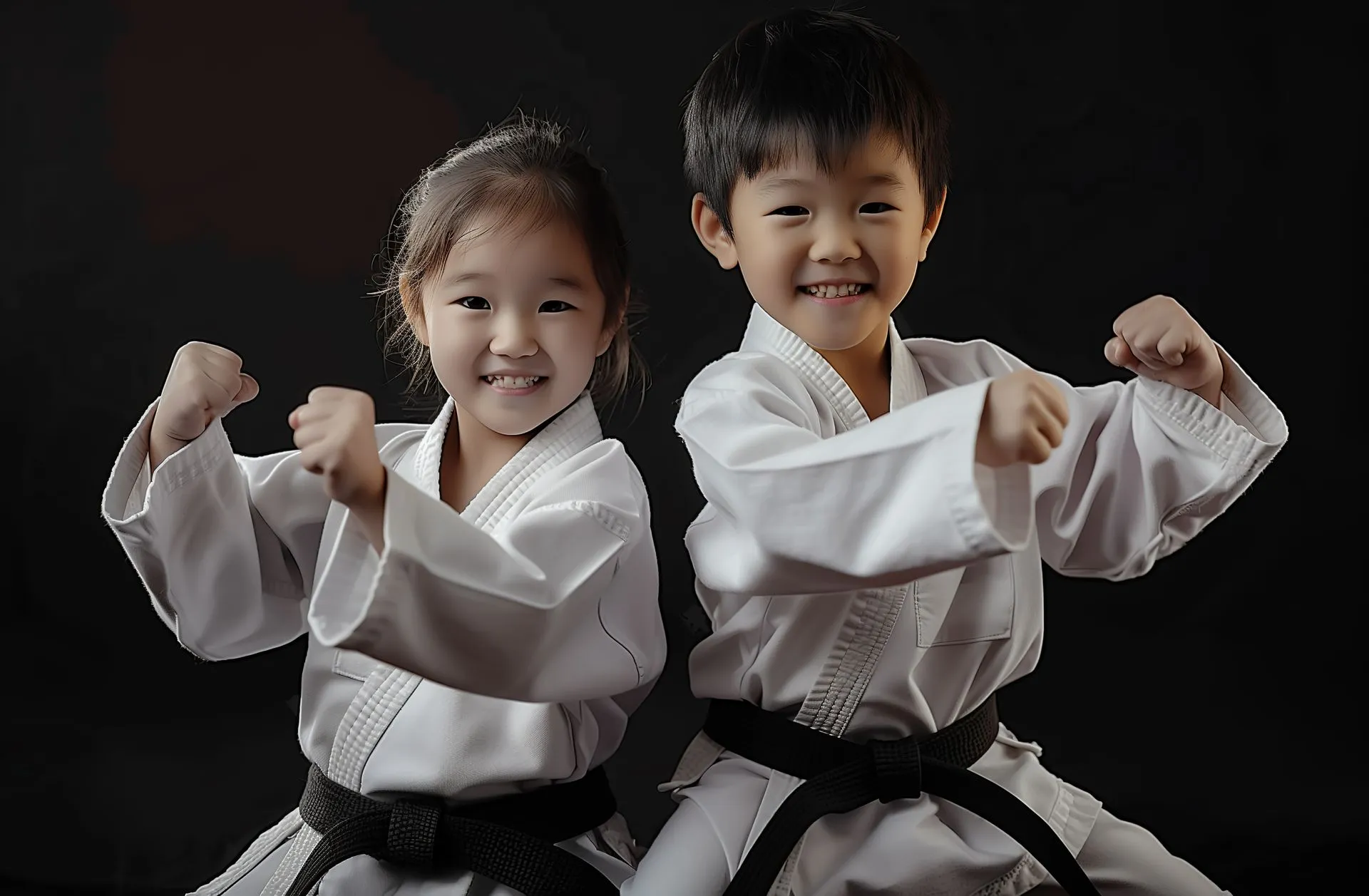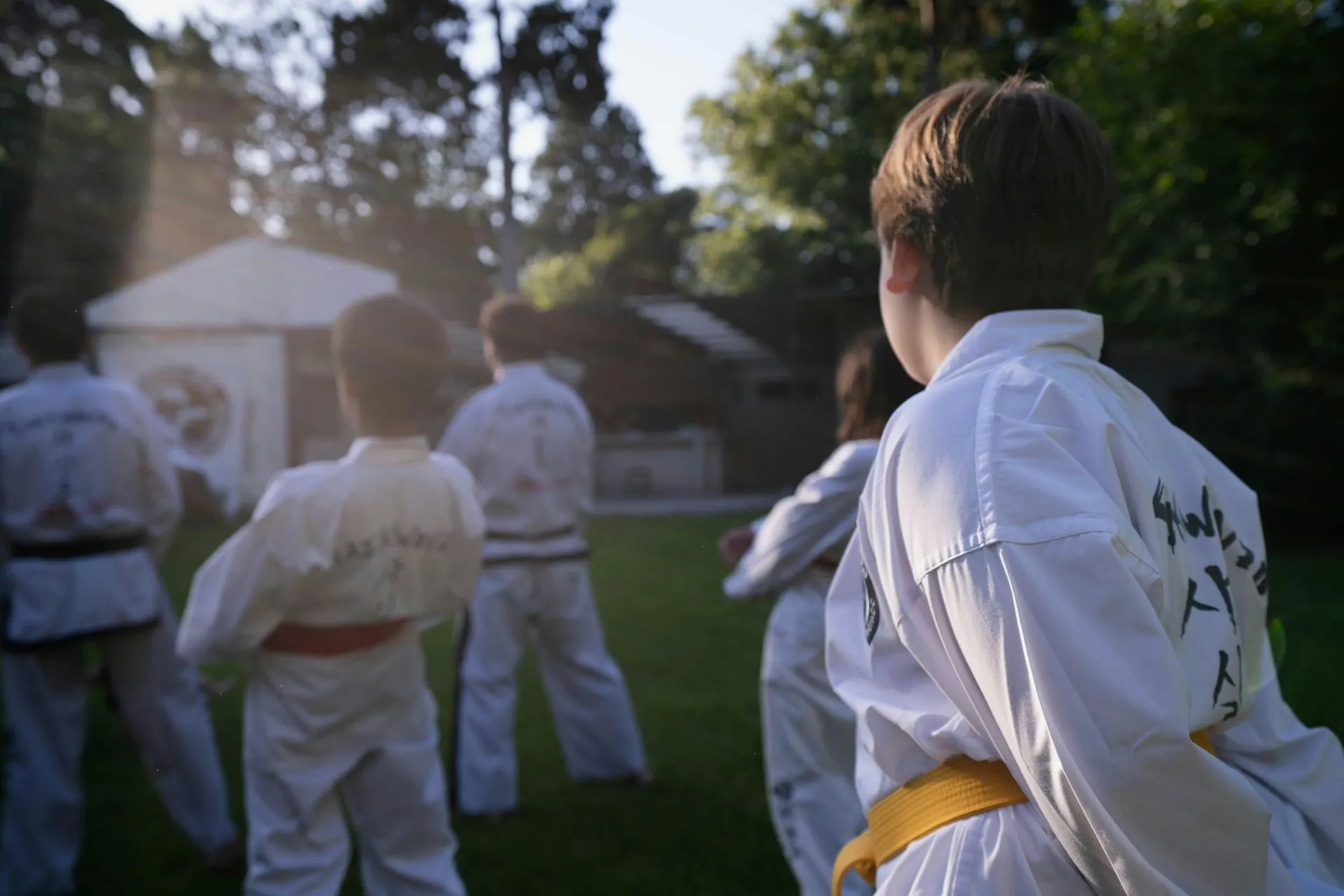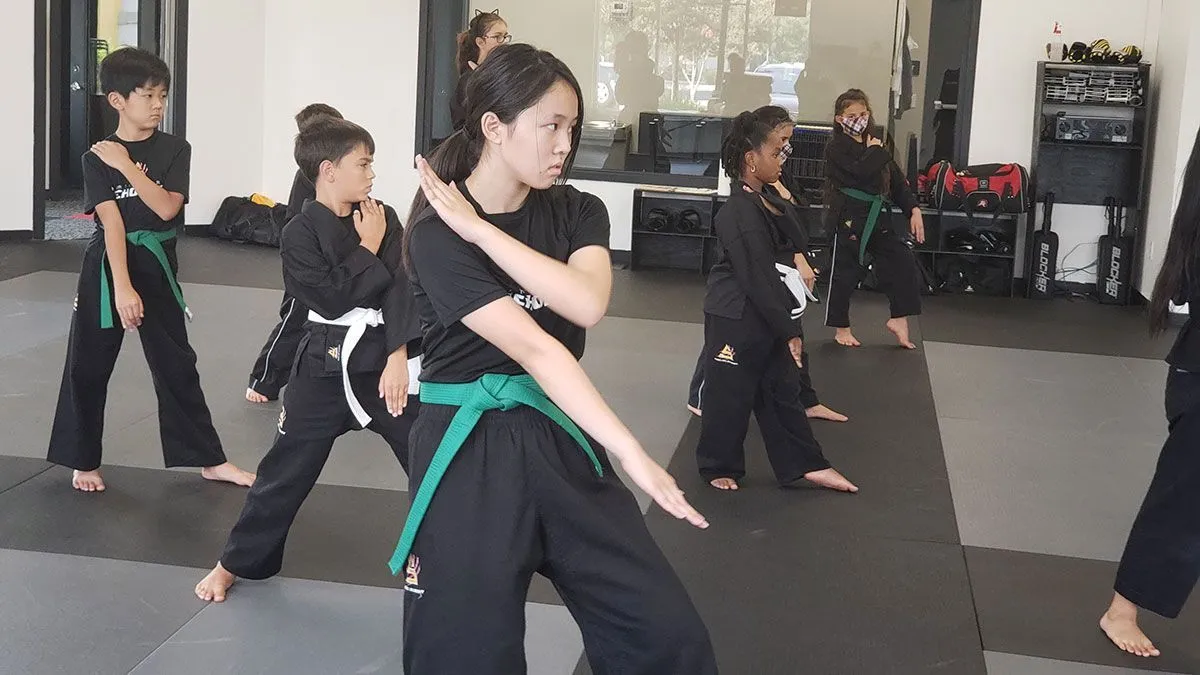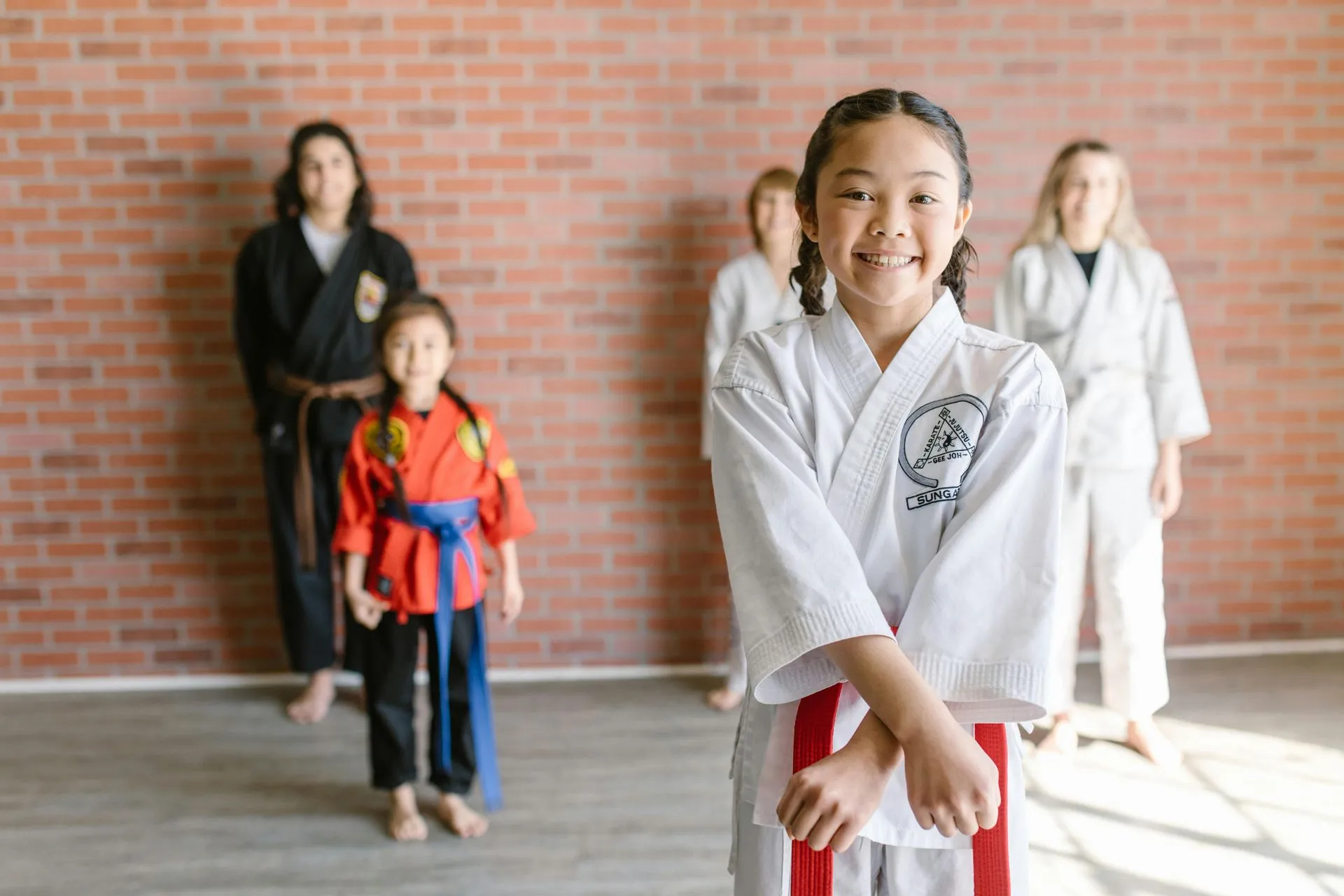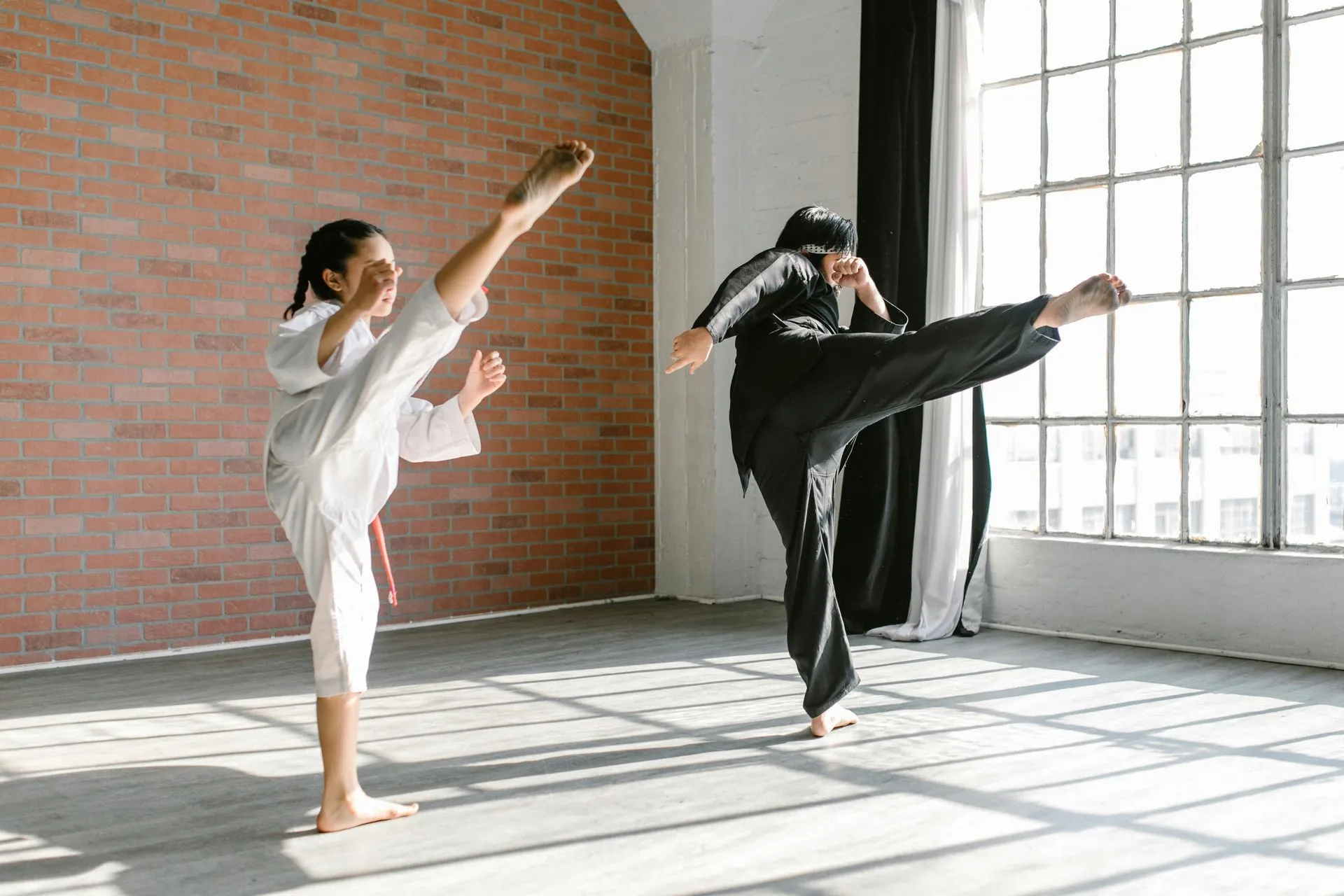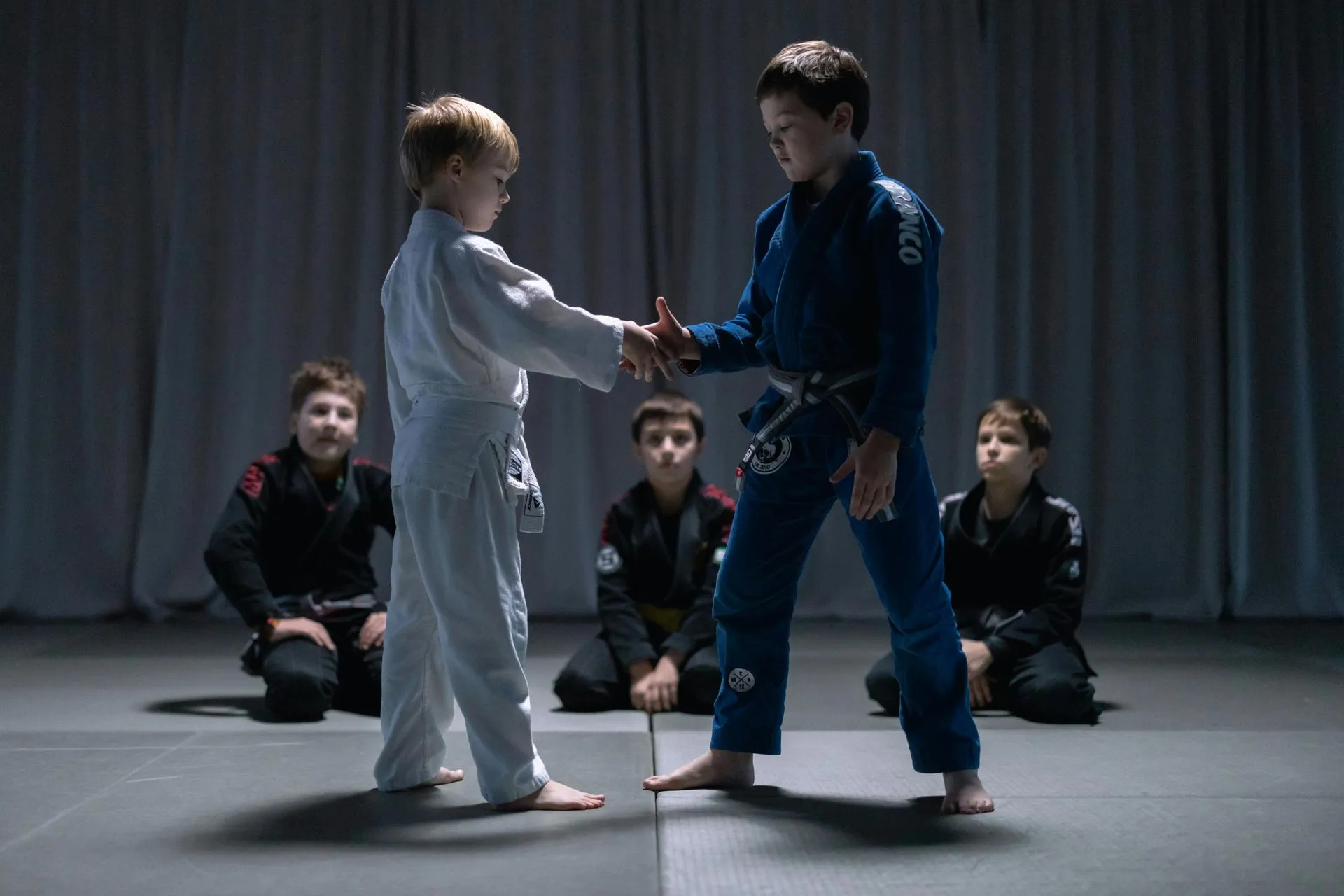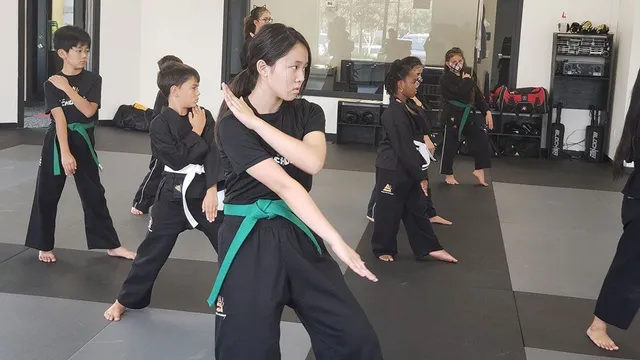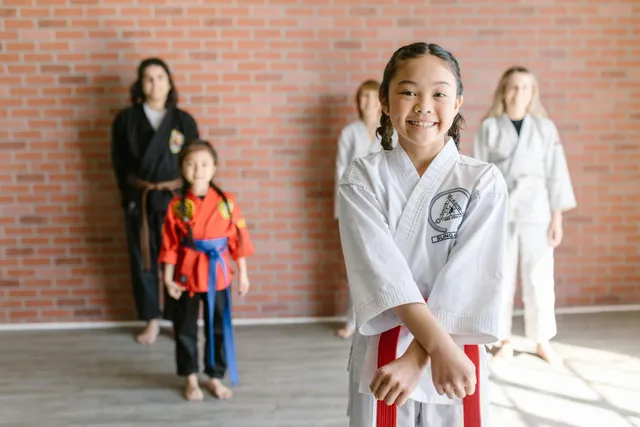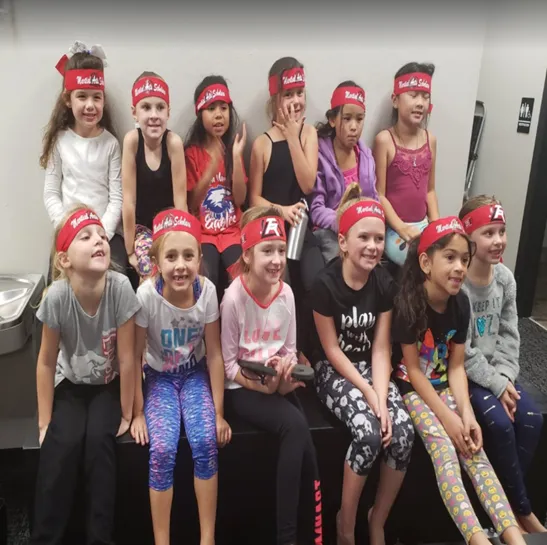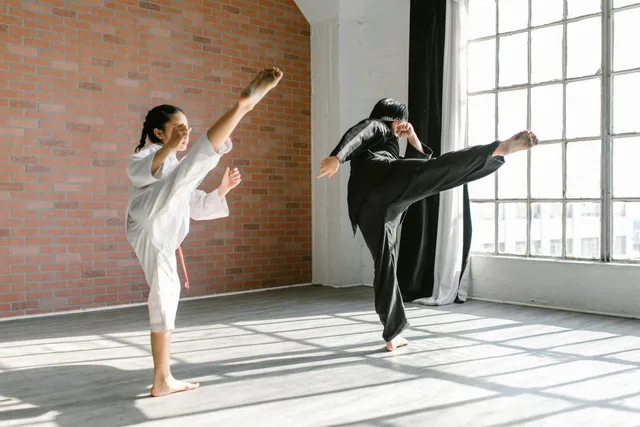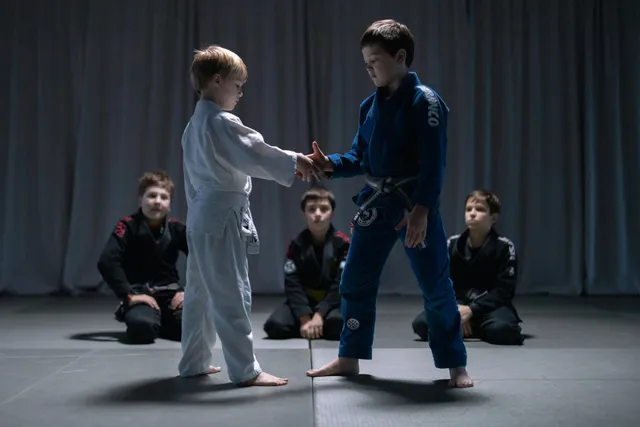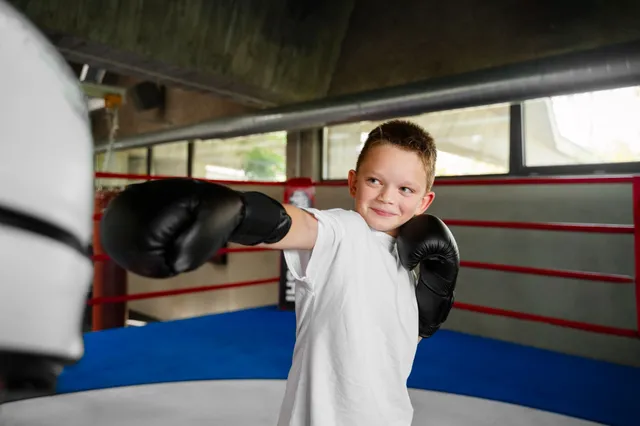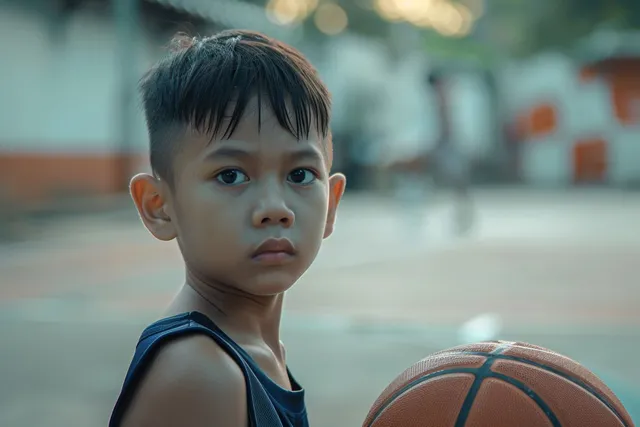

Confidence is not something children are simply told to have. It grows when they learn a difficult skill, recover from mistakes, and see themselves improve. Olympic judo gives children in Brentwood a structured place to practice that process.
Judo is different from martial arts that focus on punching and kicking. Students learn
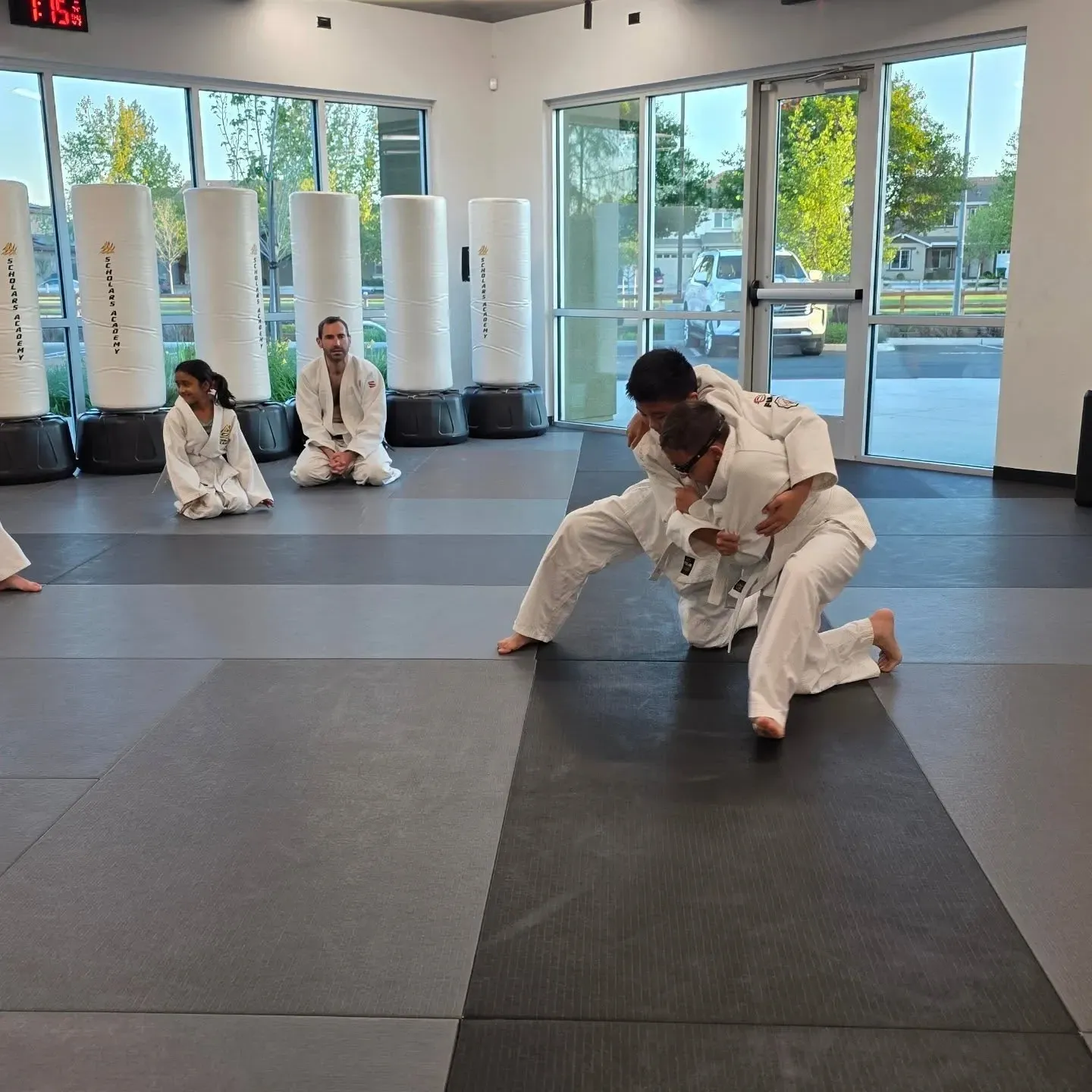
balance, safe falling, gripping, throws, pins, and controlled movement with a partner. At Scholars Academy, children
ages 5 to 18 can develop these skills through age-appropriate instruction that emphasizes safety, respect, and steady progress.
What Makes Judo Different From Other Martial Arts?
Judo is a grappling martial art that teaches children how to use balance, movement, timing, and leverage rather than relying only on strength. This makes it accessible to children with different body types, personalities, and athletic backgrounds.
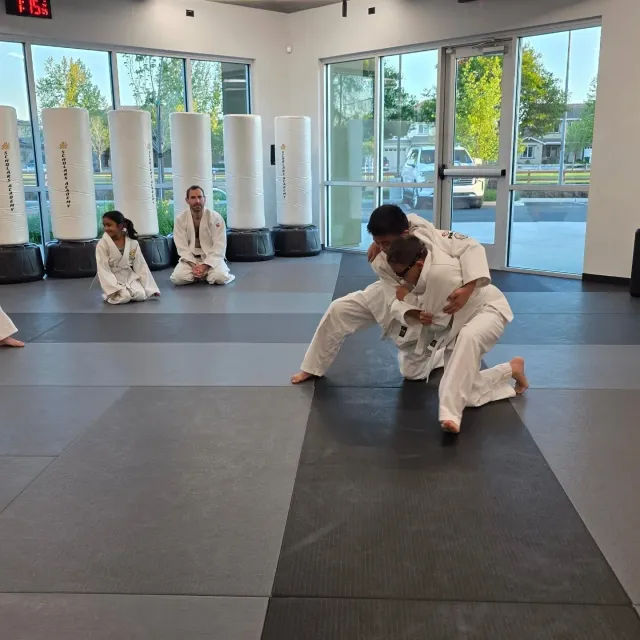
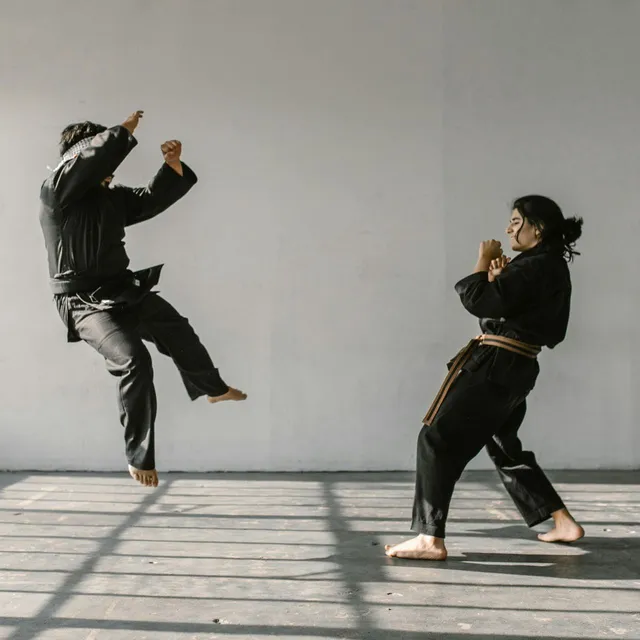
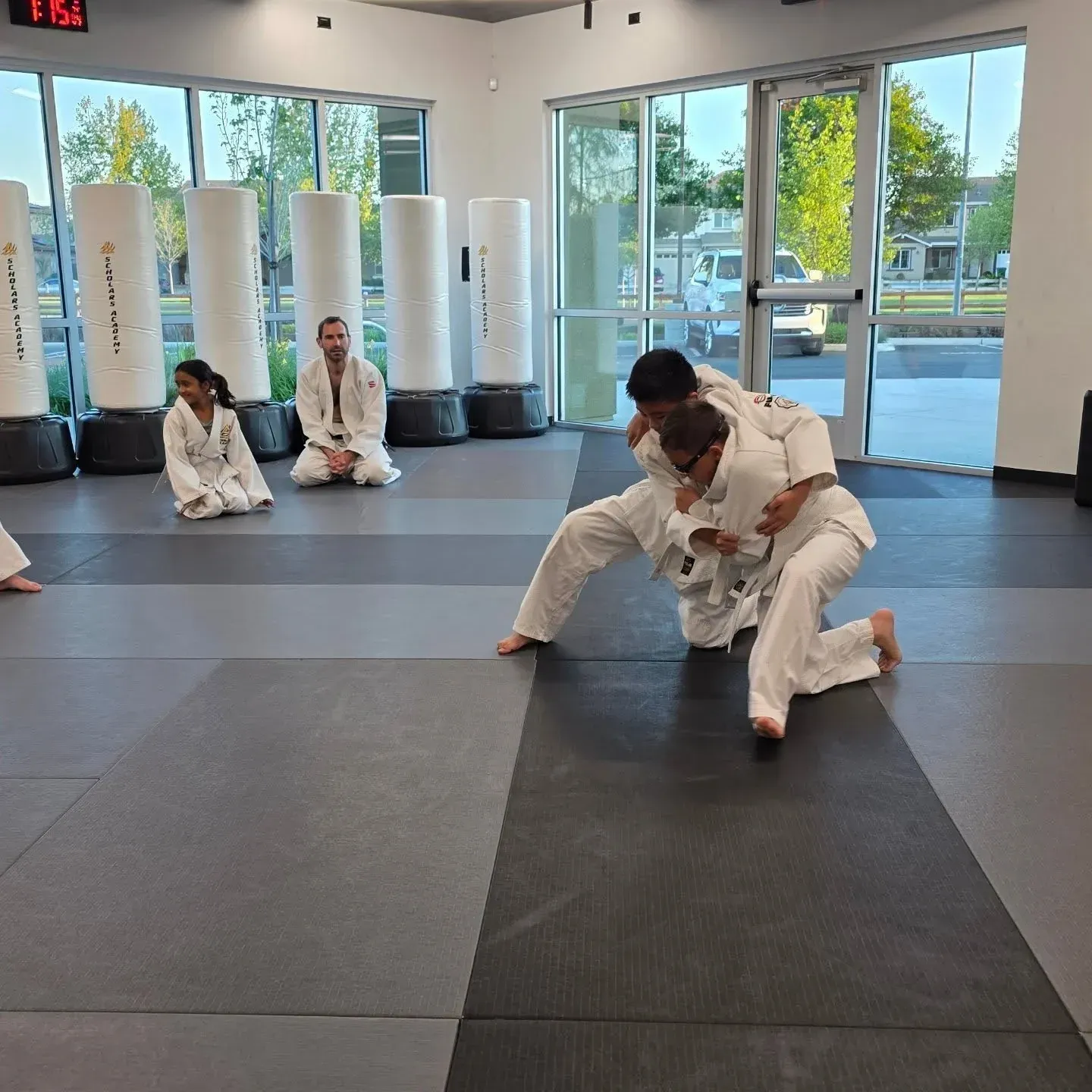
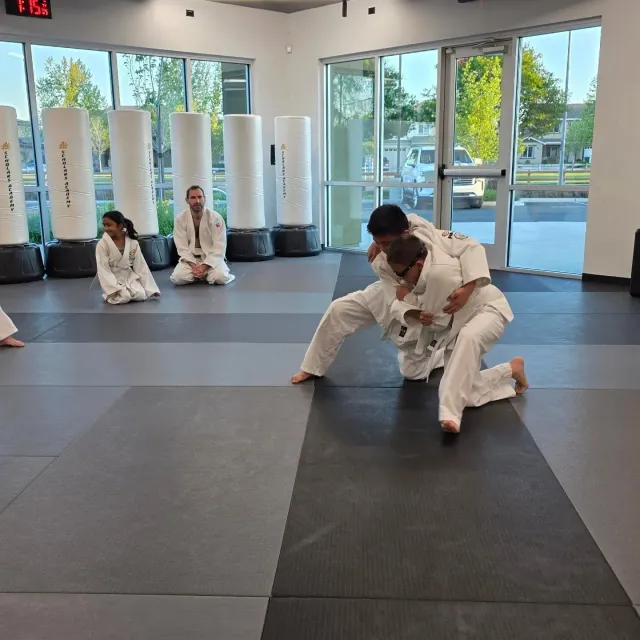
Most people picture punches and kicks when they hear the term martial arts. Judo takes a different approach. During practice, students learn how to move an opponent off balance, perform controlled throws, escape difficult positions, and hold a partner safely on the mat.
The sport also has a long international tradition. Judo joined the Olympic program at the Tokyo Games in 1964, according to the International Judo Federation’s history of judo. Children do not need to compete, however, to benefit from its techniques and values.
At Scholars Academy, our
judo classes in Brentwood welcome beginners and experienced students. Instruction is adjusted to each child’s age, experience, and ability.
How Judo Builds Real Confidence in Children
Judo builds confidence by allowing children to earn progress through repeated practice. A student tries a skill, makes mistakes, listens to feedback, and gradually learns to perform it with greater control.
That process helps children see that improvement does not happen instantly. It comes from patience and effort.
Confidence develops through experiences such as:
- Learning to fall safely and stand back up
- Practicing a technique until it becomes familiar
- Working toward belt and skill milestones
- Training with different partners
- Performing skills in front of an instructor
- Handling both successful and difficult practice rounds
These lessons are practical rather than abstract. Children do not simply hear that they should be confident. They collect small examples of what they can accomplish.
Judo can also support broader character development for kids. Qualities such as persistence, patience, responsibility, and courage are reinforced during every class.
Results will vary from one student to another.
Consistent attendance, positive coaching, and realistic encouragement from parents usually matter more than expecting an immediate change.
How Youth Judo Teaches Discipline and Respect
Judo teaches discipline by making listening, patience, and self-control necessary parts of training. A child cannot safely perform a throw or practice with a partner without following instructions.
Students learn to:
- Arrive prepared for class.
- Listen while a technique is demonstrated.
- Wait for the appropriate time to practice.
- Use only the amount of force requested.
- Protect their training partner.
- Accept corrections without becoming discouraged.
- Show respect before and after each drill.
Respect in judo is more than a rule displayed on a wall. Students depend on their partners to improve, so they must cooperate and take responsibility for each other’s safety.
This is one reason martial arts can be an effective way of
teaching discipline and respect. Children practice these values while moving, solving problems, and interacting with others.
Judo Provides Focused, Screen-Free Activity
A judo class gives children a structured period of active, face-to-face learning without phones, games, or other digital distractions. Students must pay attention to their instructor, their own movement, and the position of their training partner.
This type of focus is different from sitting quietly at a desk. Children learn through movement and immediate feedback.
During practice, students must:
- Watch a demonstration closely
- Remember a sequence of movements
- Respond to their partner’s balance and position
- Control their speed and strength
- Make adjustments when a technique does not work
The CDC recommends that children ages 6 to 17 get at least 60 minutes of physical activity each day. Its physical activity guidance for children encourages a mixture of enjoyable, age-appropriate aerobic, muscle-strengthening, and bone-strengthening activities.
Judo can contribute to an active routine while offering more structure than unplanned play. Parents looking for other ways to encourage movement can also read our guide to
physical activity for kids and martial arts.
What Physical Skills Do Children Develop?
Judo helps children practice balance, coordination, agility, strength, and body awareness. Because training involves movement in several directions, children experience more variety than they may get from repeating one movement pattern.
A 2025 systematic review of 22 studies found that regular youth judo training was associated with improvements in areas including strength, endurance, speed, flexibility, coordination, posture, and balance. Most of the studies were observational, so the findings should not be treated as a guarantee for every child. The review is available through the National Library of Medicine.
Common movement skills used in class include:
| Skill | How Children Practice It |
|---|---|
| Balance | Maintaining posture while moving with a partner |
| Coordination | Combining grips, footwork, turns, and throws |
| Body awareness | Understanding where the body is during falls and rolls |
| Agility | Changing direction in response to a partner |
| Strength | Using body weight, grips, and controlled resistance |
| Mobility | Moving through safe ranges of motion during drills |
These foundations may also support children who participate in basketball, soccer, dance, or other sports.
What Happens in a Child’s First Judo Class?
A first judo class usually begins with safety, movement, and basic technique rather than live throwing. New students are introduced to each skill gradually so they can become comfortable before adding speed or resistance.
A beginner class may follow this progression:
1. Warm-Up and Movement
Students begin with age-appropriate exercises that prepare the body for practice. These may include balance activities, footwork, crawling movements, light conditioning, and mobility exercises.
2. Ukemi, or Safe Falling
Ukemi is the practice of falling safely. Children learn how to protect their head, distribute the force of a fall, and avoid reaching toward the floor with a straight arm.
Learning to fall early can reduce fear and prepare students for later throwing practice.
3. Posture and Gripping
Students learn how to stand, move, and hold a partner’s uniform correctly. Good posture and controlled grips are important for both safety and technique.
4. Basic Throws and Foot Sweeps
Simple techniques are introduced one step at a time. Students usually practice the movement slowly before completing a controlled throw onto padded mats.
5. Ground Positions and Holds
Children may learn how to maintain or escape a basic holding position. Instructors emphasize control rather than overpowering a partner.
6. Randori, or Free Practice
Light randori may be introduced after a student demonstrates safe falling, control, and awareness. Randori allows students to apply techniques in a less predictable situation, but it should remain supervised and appropriate for their experience.
Is Judo Safe for Kids?
Judo is a contact sport, so it cannot be described as risk-free. A responsible youth program reduces risk through proper mats, qualified instruction, safe falling techniques, controlled partner work, and age-appropriate progression.
Before choosing a program, parents should ask:
- Are beginners taught to fall before practicing advanced throws?
- Are children matched appropriately by size and experience?
- How closely are partner drills supervised?
- When does the instructor introduce live practice?
- What behavior causes a drill to stop?
- Is competition optional?
- How are children taught to communicate discomfort?
At Scholars Academy, students learn through structured drills and supervised practice. Safety and control come before speed, power, or competition.
Judo is not a substitute for teaching children to avoid unsafe situations or seek help from a trusted adult. It can, however, support awareness, composure, and physical confidence alongside the principles discussed in our guide to
self-defense classes for kids and teens.
Can Children Practice Judo With Other Sports?
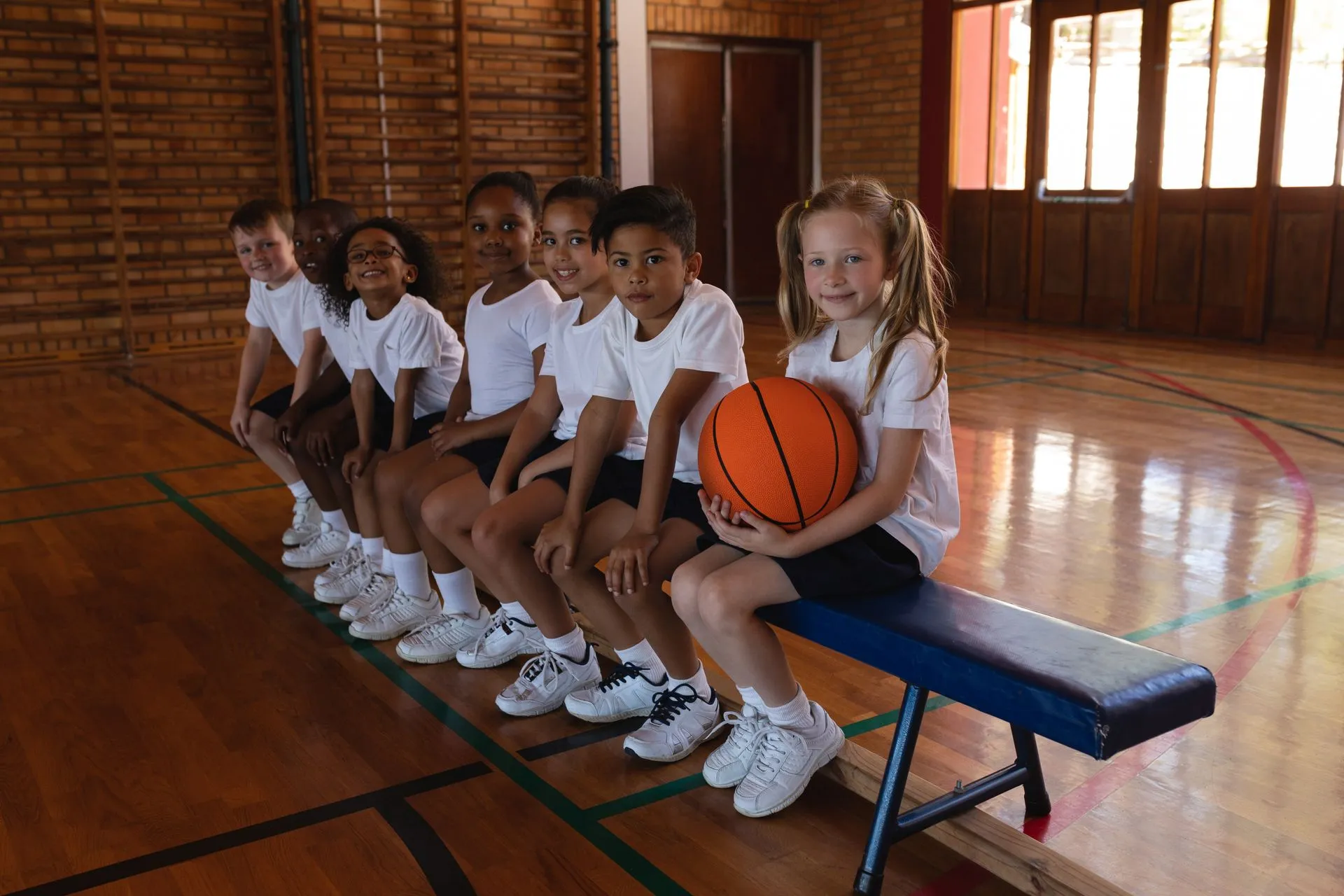
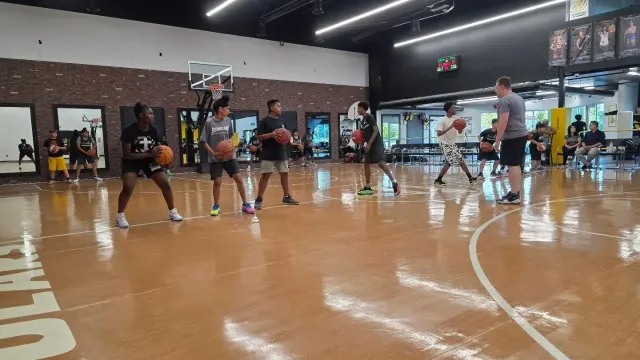
Yes. Judo can complement basketball, soccer, baseball, dance, and other activities because it develops balance, coordination, footwork, and body control.
For example, a child who plays basketball may benefit from better balance during changes of direction and increased awareness of body position near other players. A soccer player may benefit from improved coordination and the ability to fall more safely.
Parents should still avoid overscheduling. Children need time for sleep, schoolwork, free play, and recovery. The goal is to build a balanced routine, not fill every available hour.
Why Brentwood Families Choose Scholars Academy
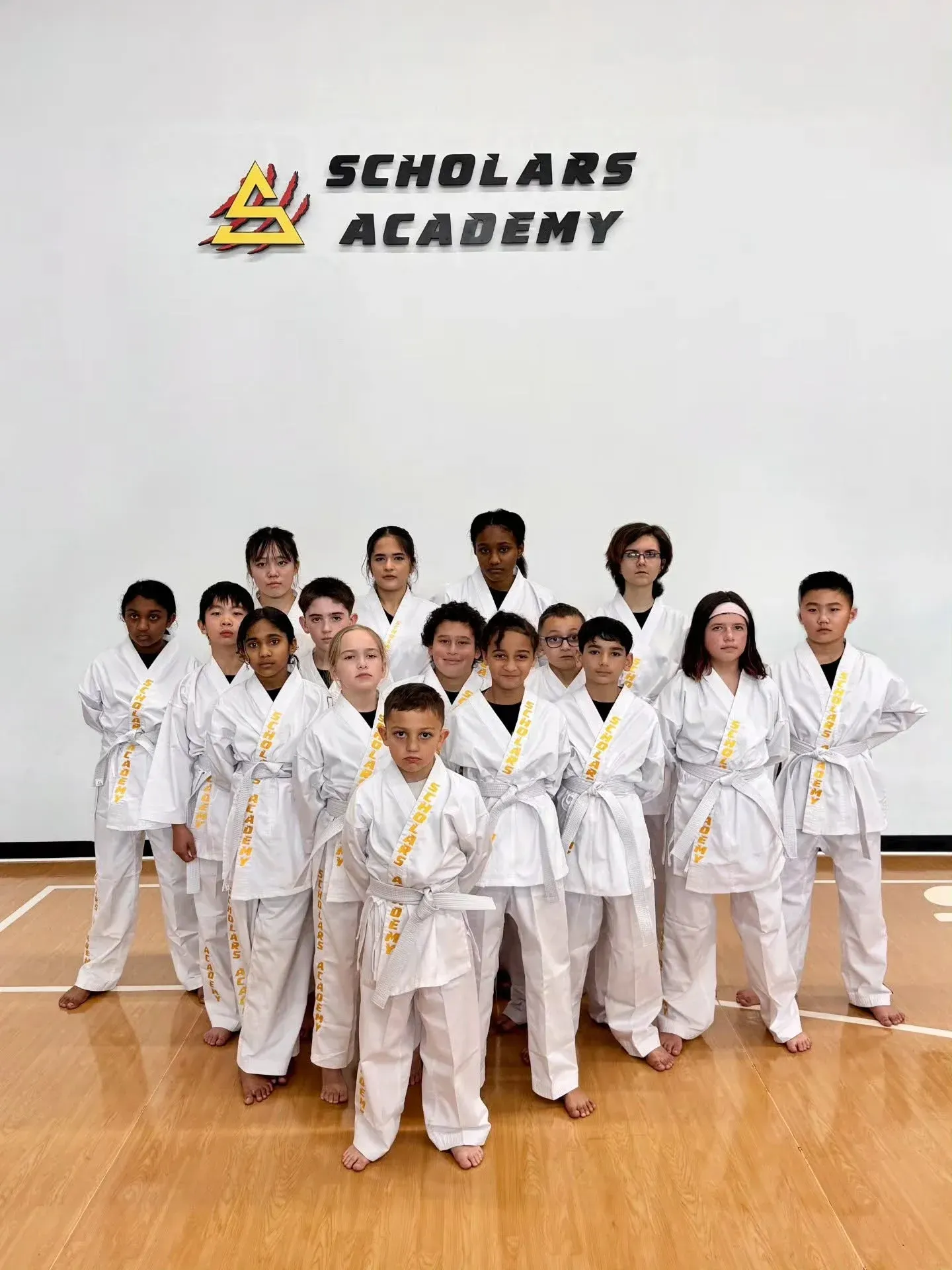
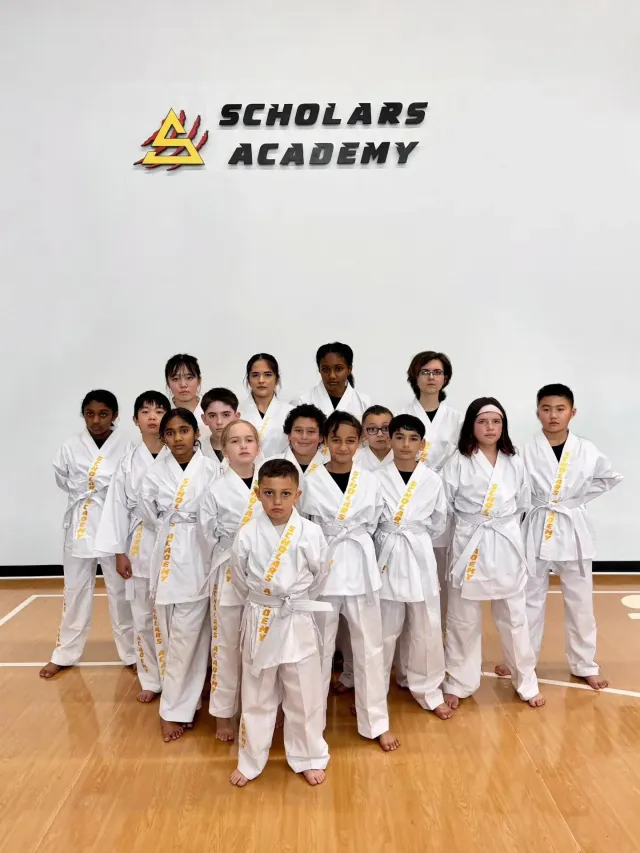
Scholars Academy provides a structured and encouraging environment where children can develop athletic ability and life skills. We serve families from Brentwood, Discovery Bay, Oakley, Antioch, and nearby East Contra Costa County communities.
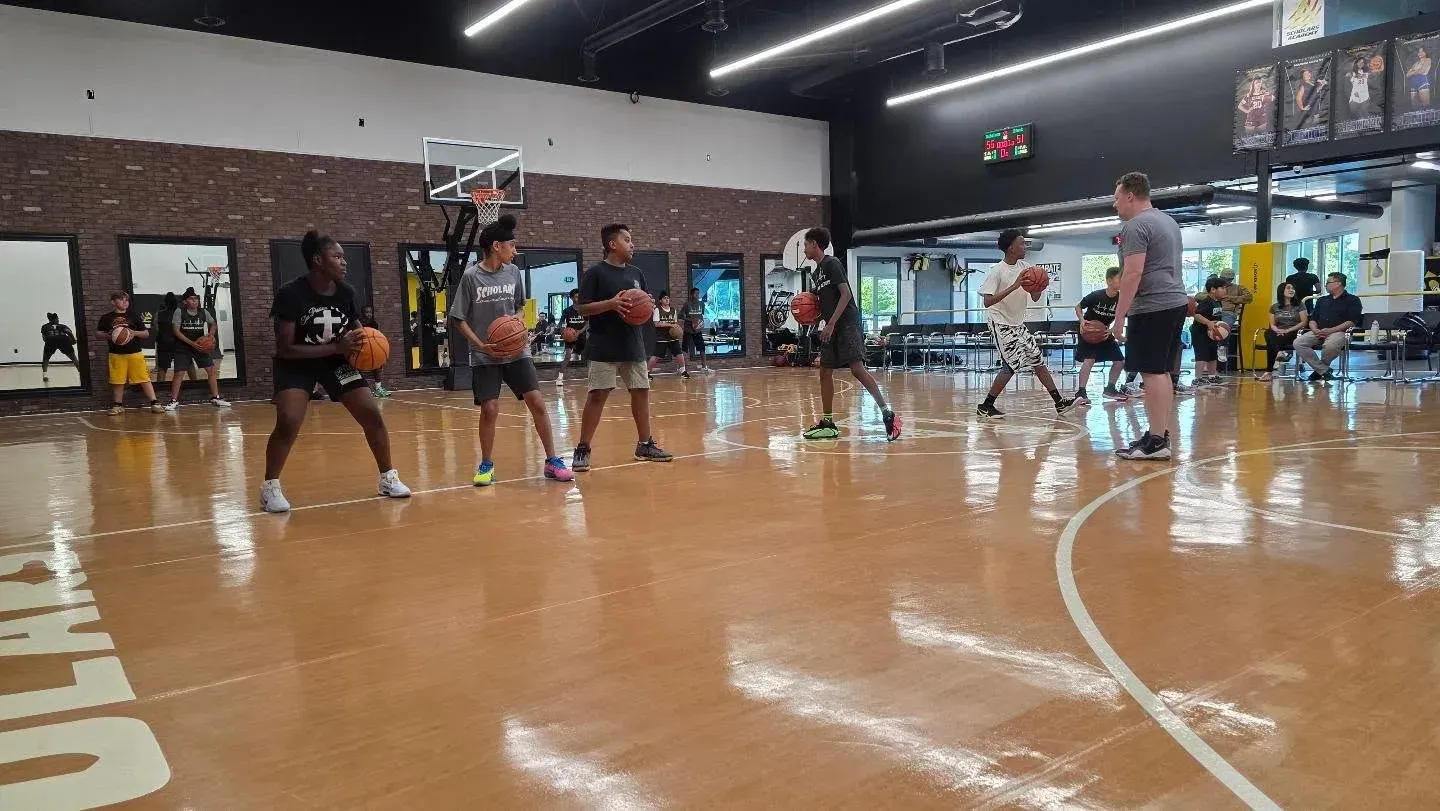
Our judo program serves boys and girls ages 5 to 18, from first-time students to children with previous experience. We also offer karate, kickboxing, basketball, camps, fitness activities, and after-school enrichment.
Across these programs, we focus on helping students become more active, disciplined, respectful, and confident. Parents interested in these broader outcomes can read more about
life skills through martial arts.
FAQs About Judo for Kids
What age can children start judo?
Scholars Academy offers judo for children ages 5 to 18. Readiness depends on whether a child can follow basic directions, participate in a group, and work safely with a partner.
Does my child need to compete?
No. Children can practice judo for fitness, confidence, discipline, and recreation without entering tournaments. Competition can remain optional.
Will judo make my child aggressive?
Judo classes emphasize control, cooperation, and respect. Students practice under clear rules and learn that techniques must only be used safely and appropriately.
How long does it take to earn a belt?
Promotion depends on attendance, technical progress, behavior, and program standards. Parents should focus on consistent learning rather than expecting a belt by a fixed date.
Can a shy child participate?
Yes. Partner activities can give shy children a structured way to interact with others. Instructors should allow students to progress gradually rather than forcing immediate competition or performance.
What should my child wear to the first class?
Clothing requirements can vary. Contact Scholars Academy before attending to confirm whether your child should wear comfortable athletic clothing or a judo uniform.
Try Olympic Judo for Kids in Brentwood
At Scholars Academy, we help students develop these skills through structured, age-appropriate instruction in a supportive environment. Contact us to ask about class times, age groups, what your child should wear, and available trial options.
Visit
Scholars Academy at
2010 Elkins Way, Suite 100, Brentwood, CA 94513, or call
(925) 809-0085 to get started.


Share Article
Our Recent Articles